Apie verslo taisykles
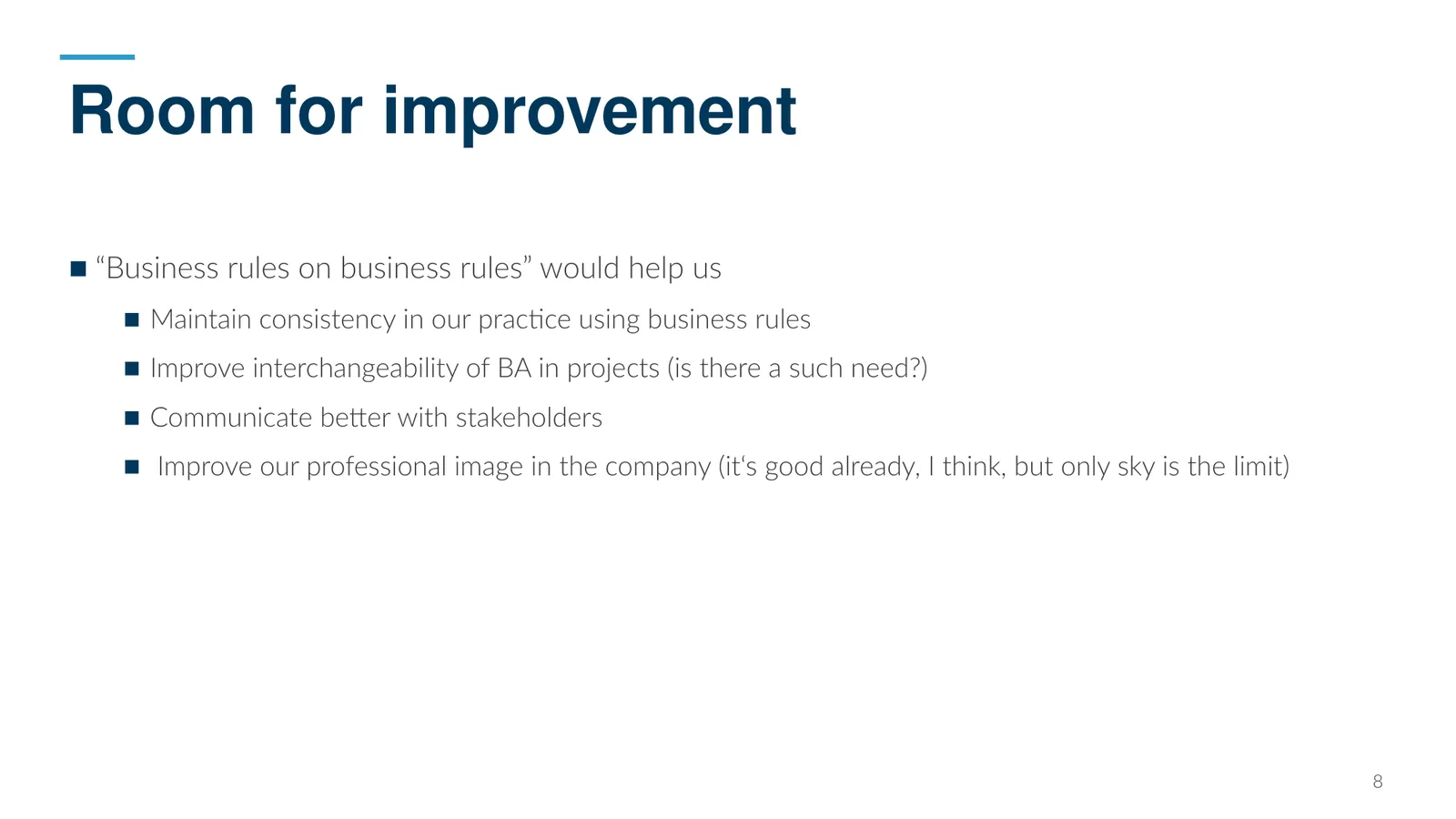
Skaidrės iš pranešimo, kurį 2020 m. kovo 10 d. skaičiau kolegoms Metasite. Tai tos pačios linijos tęsinys kaip ir pranešimas apie verslo reikalavimus, tik žingsniu žemiau — apie taisykles, kurios užrašomos po jais.
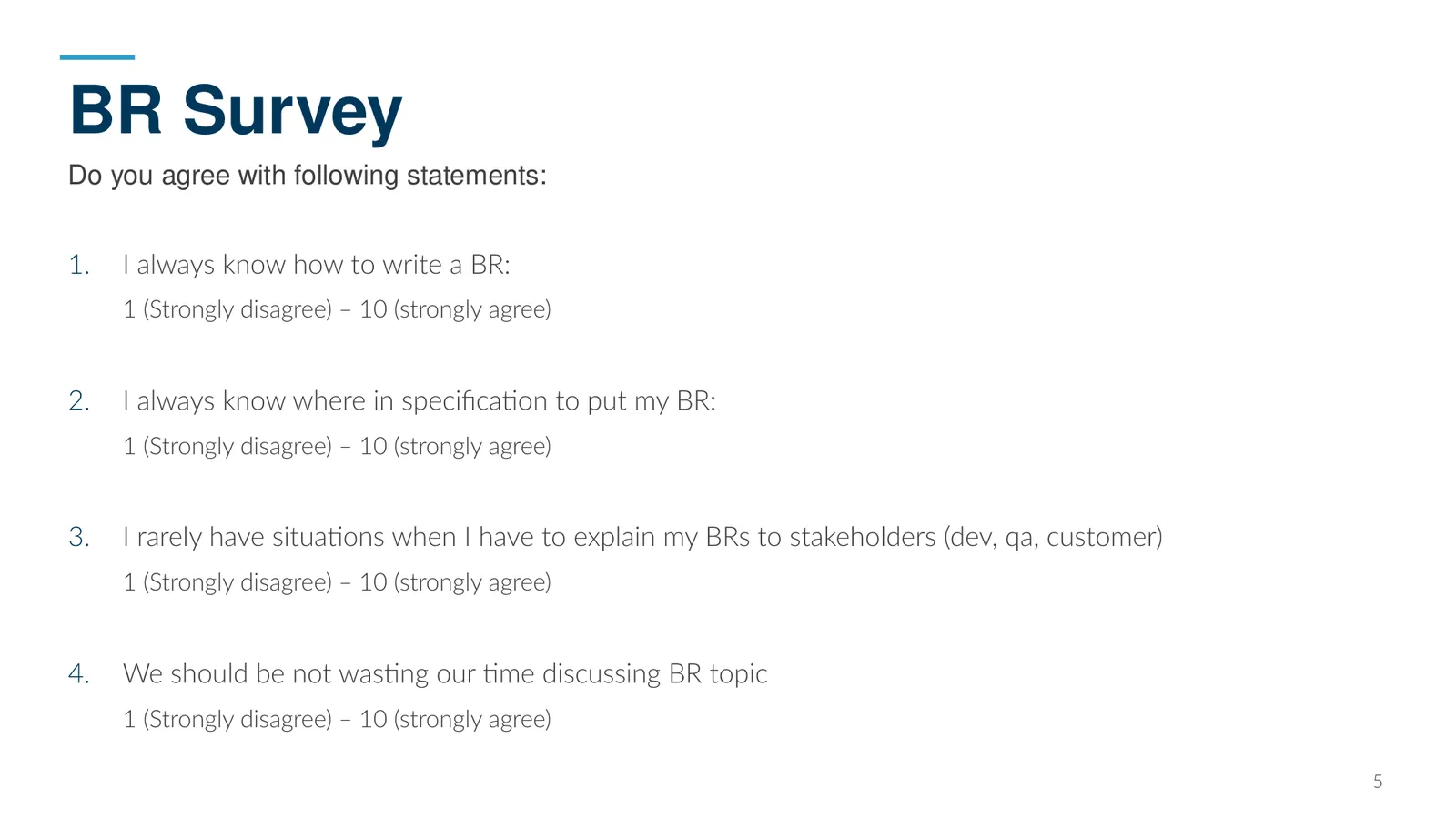
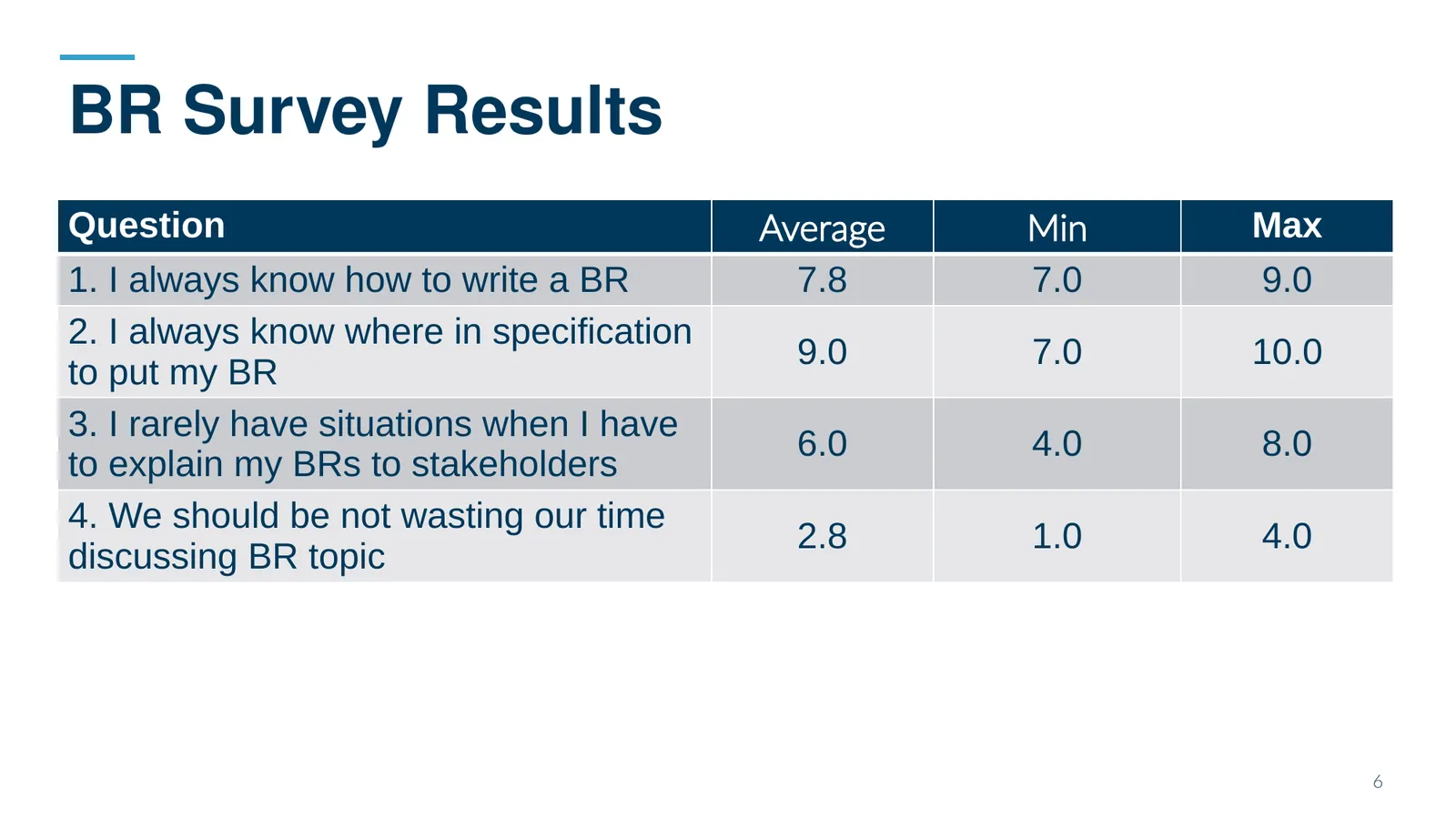
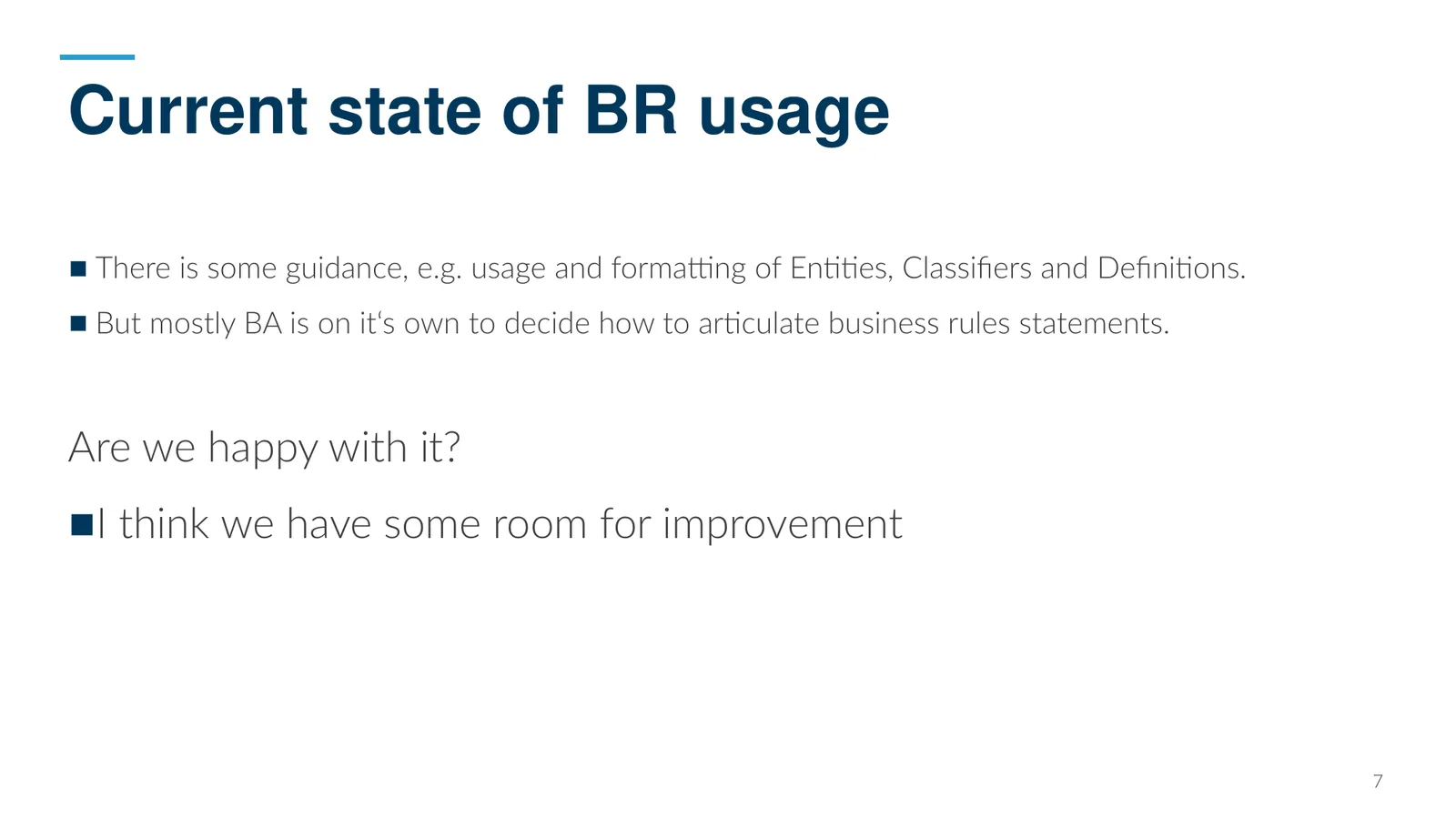
Pradėjau nuo komandos apklausos. Parašyti taisyklę dauguma pasitiki galintys; paaiškinti ją suinteresuotoms pusėms — jau kur kas mažiau, ir beveik visi nesutiko, kad tema neverta laiko. Šiokių tokių susitarimų turėjome, bet kaip taisyklė galiausiai suformuluojama, buvo palikta kiekvieno analitiko nuožiūrai.
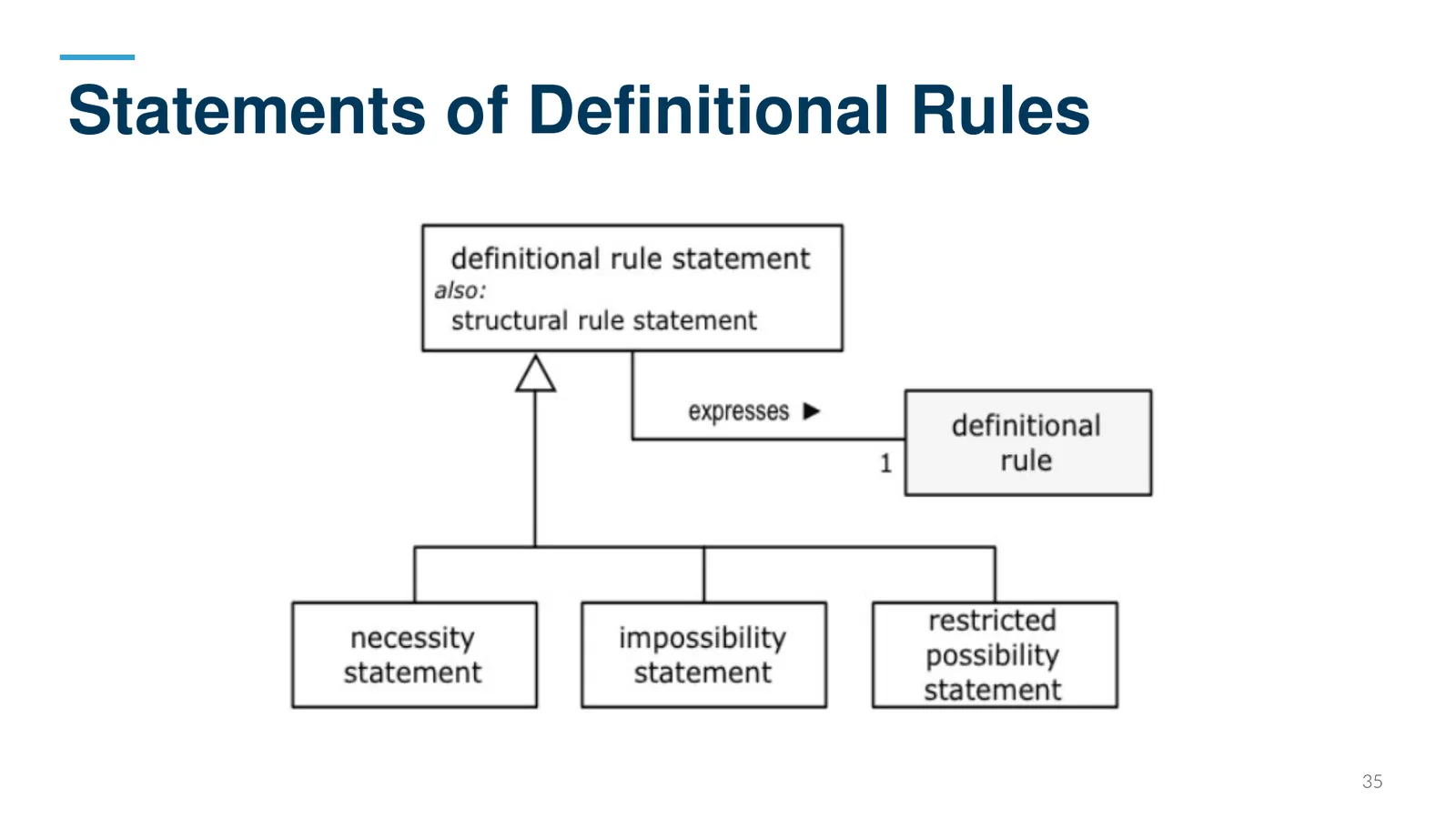
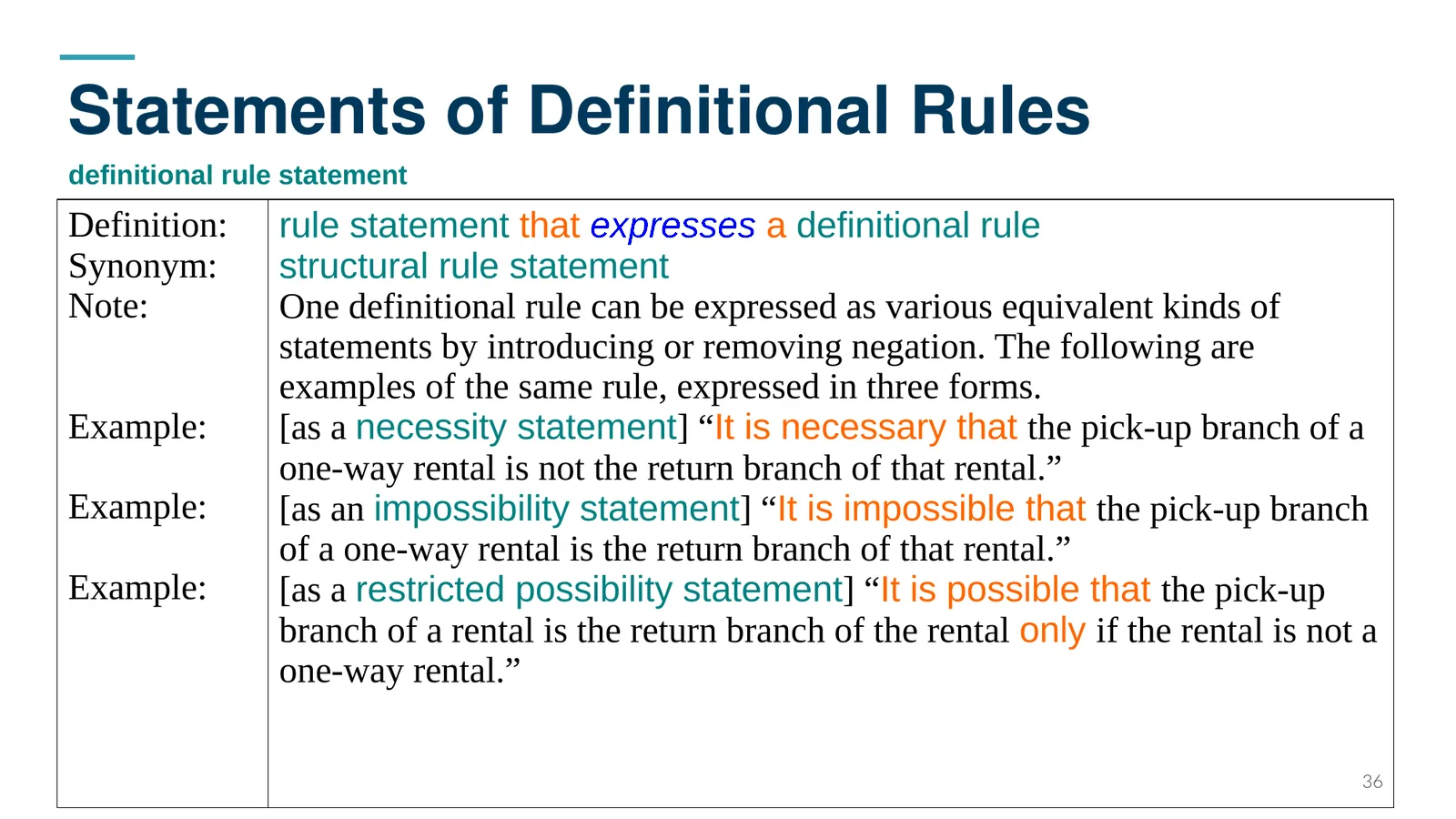
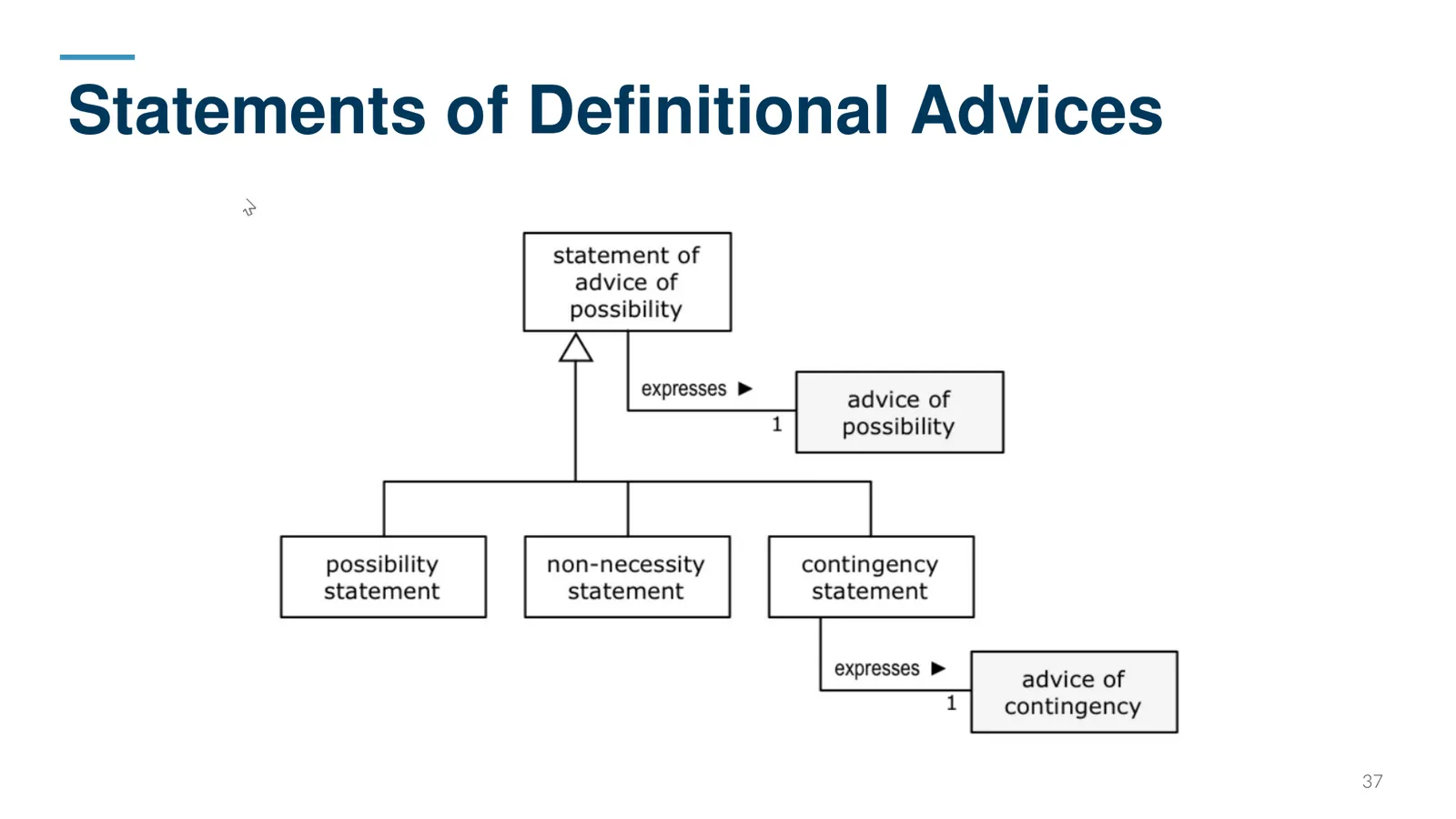
Likusi dalis — ką apie tai sako OMG SBVR standartas: iš kur jis atsirado, kaip apibrėžia taisyklę, patarimą ir juos išreiškiančius sakinius, ir kaip atrodo SBVR Structured English.
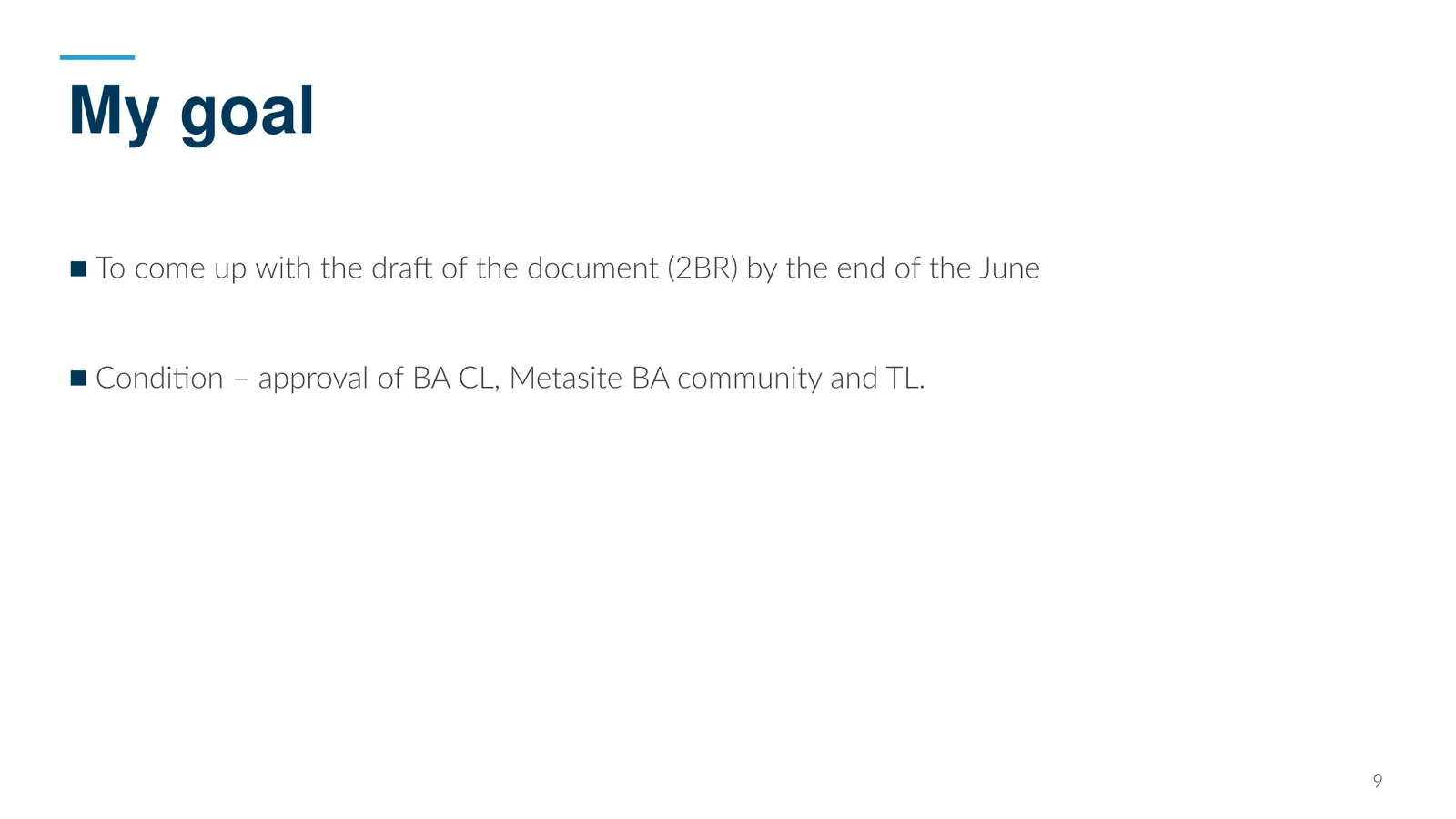
Tyrimas pranešimo metu buvo maždaug trečdalyje kelio, tad tai ataskaita apie kryptį, o ne baigta metodika.
Skaidrės angliškos — tokios, kokios buvo pranešime. Ten, kur skaidrėje kažko nebuvo parašyta, o pasakiau žodžiu, po ja atspausdintas mano to meto užrašas.
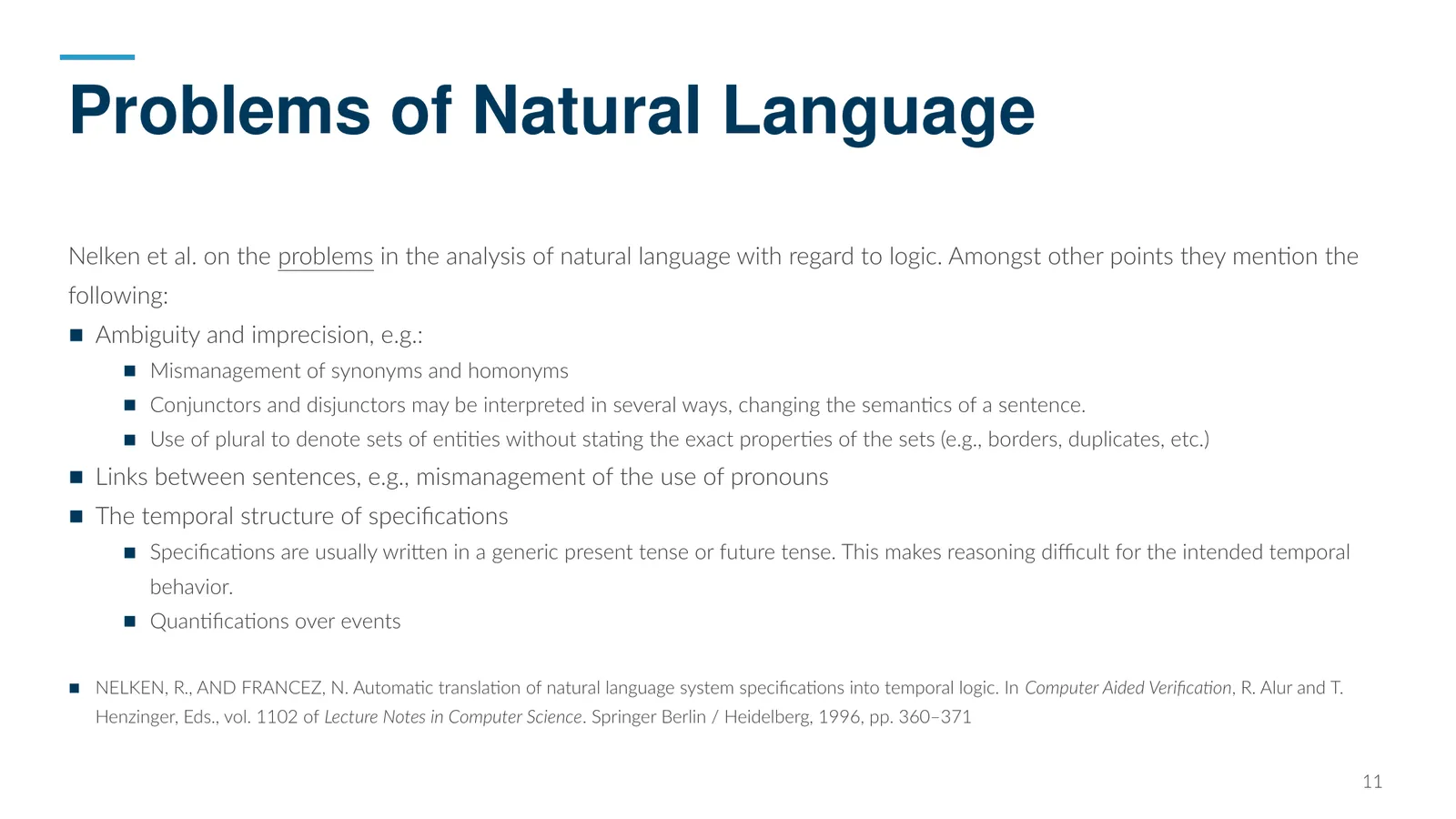
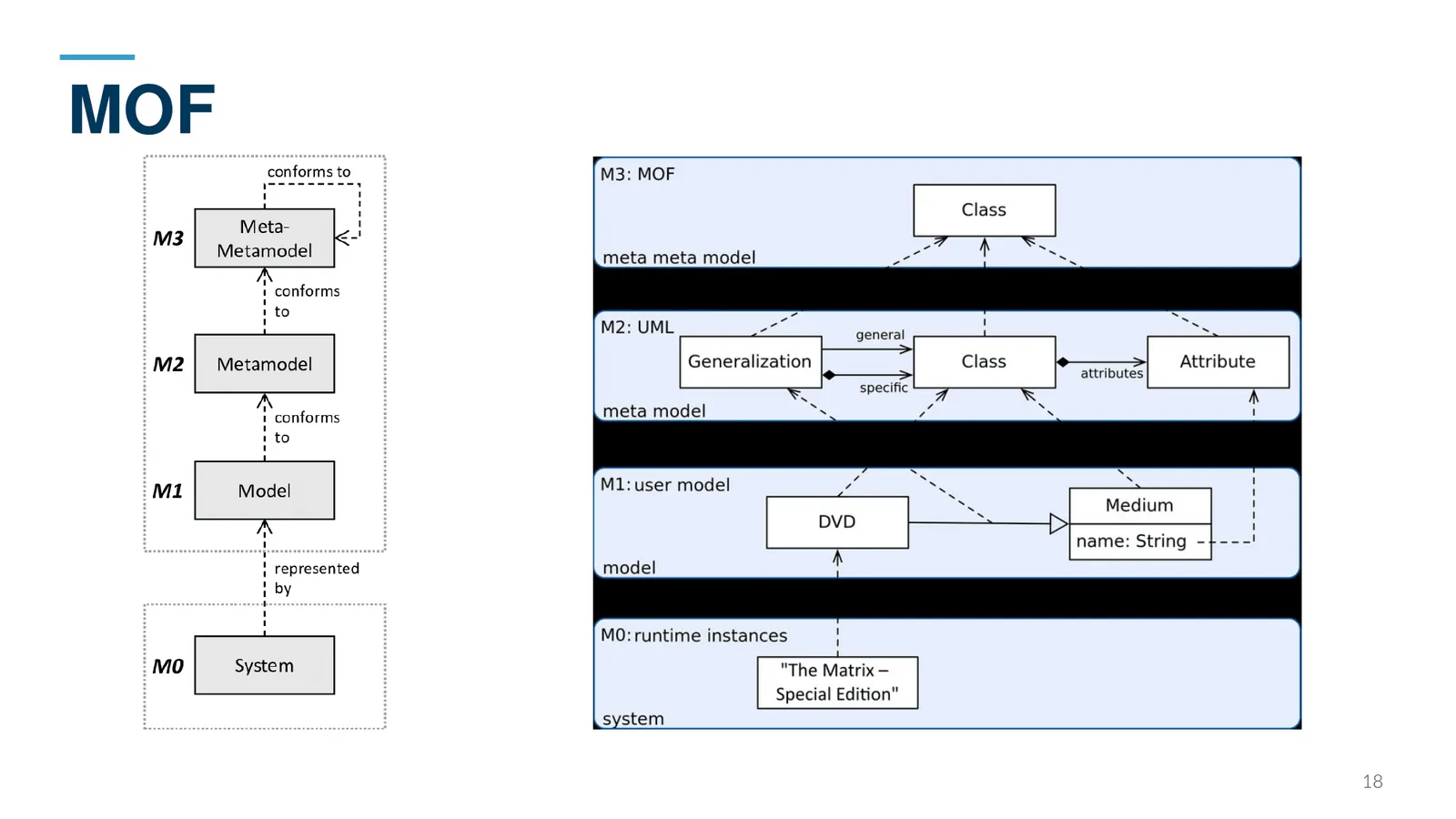
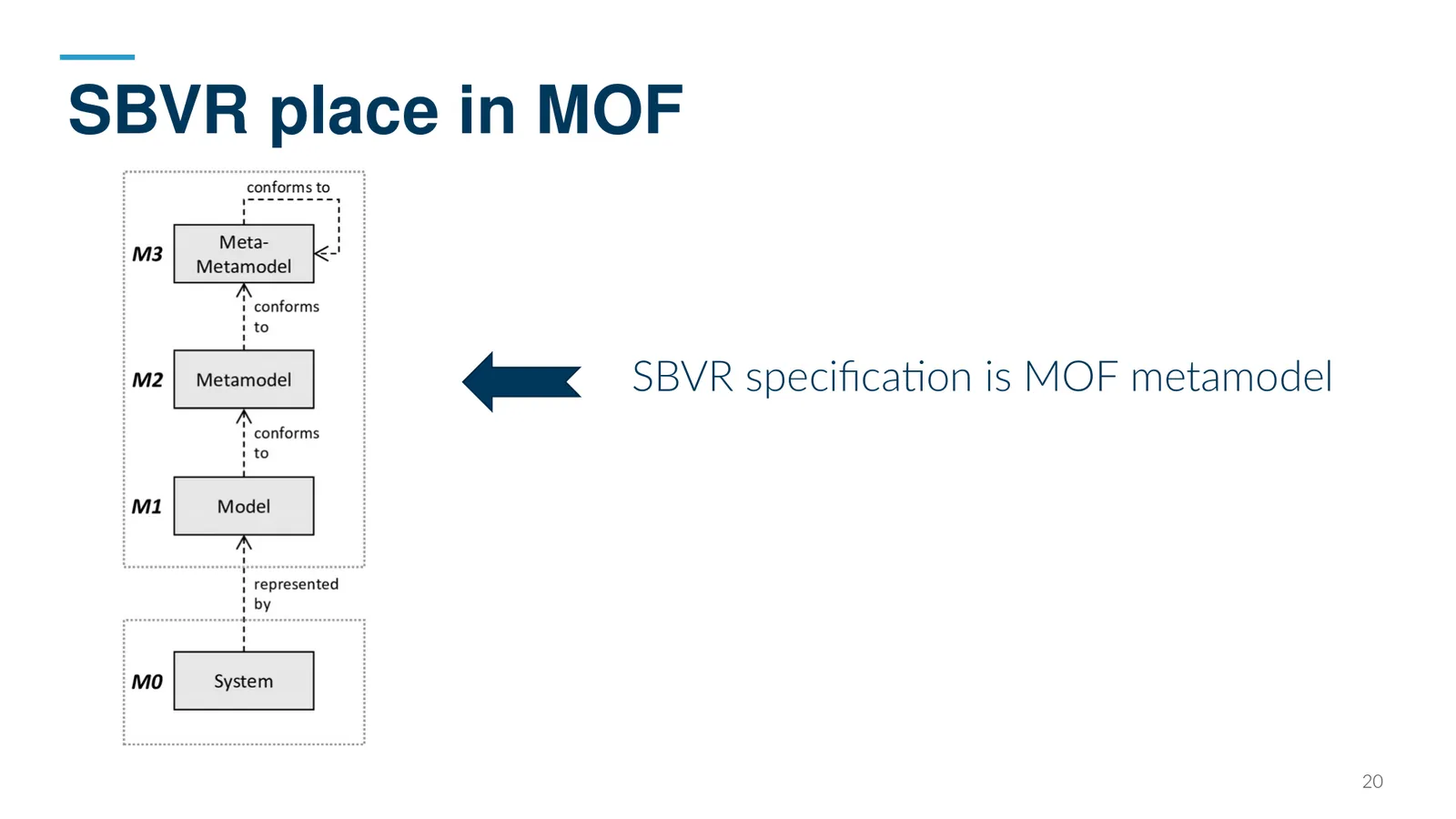
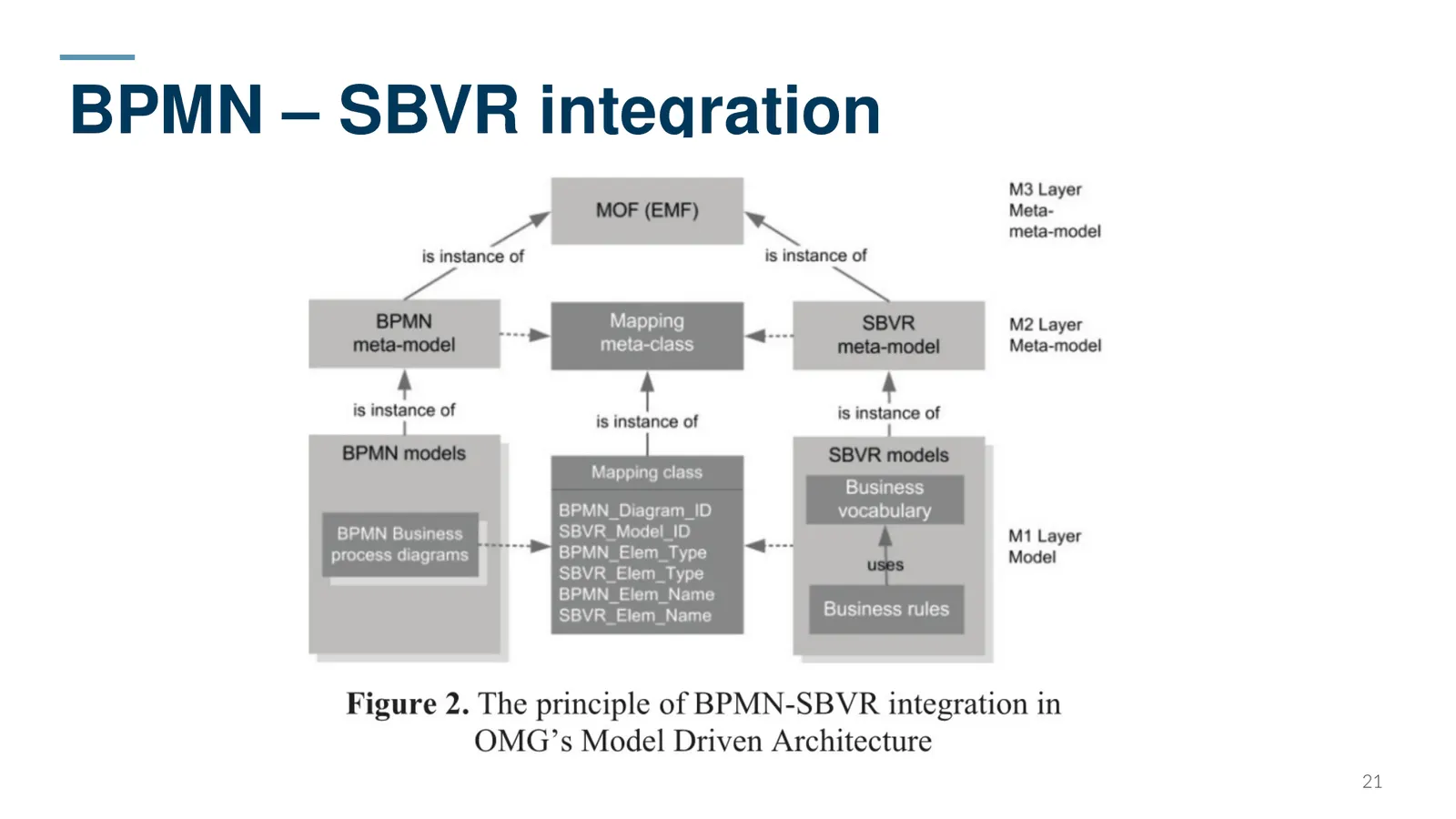
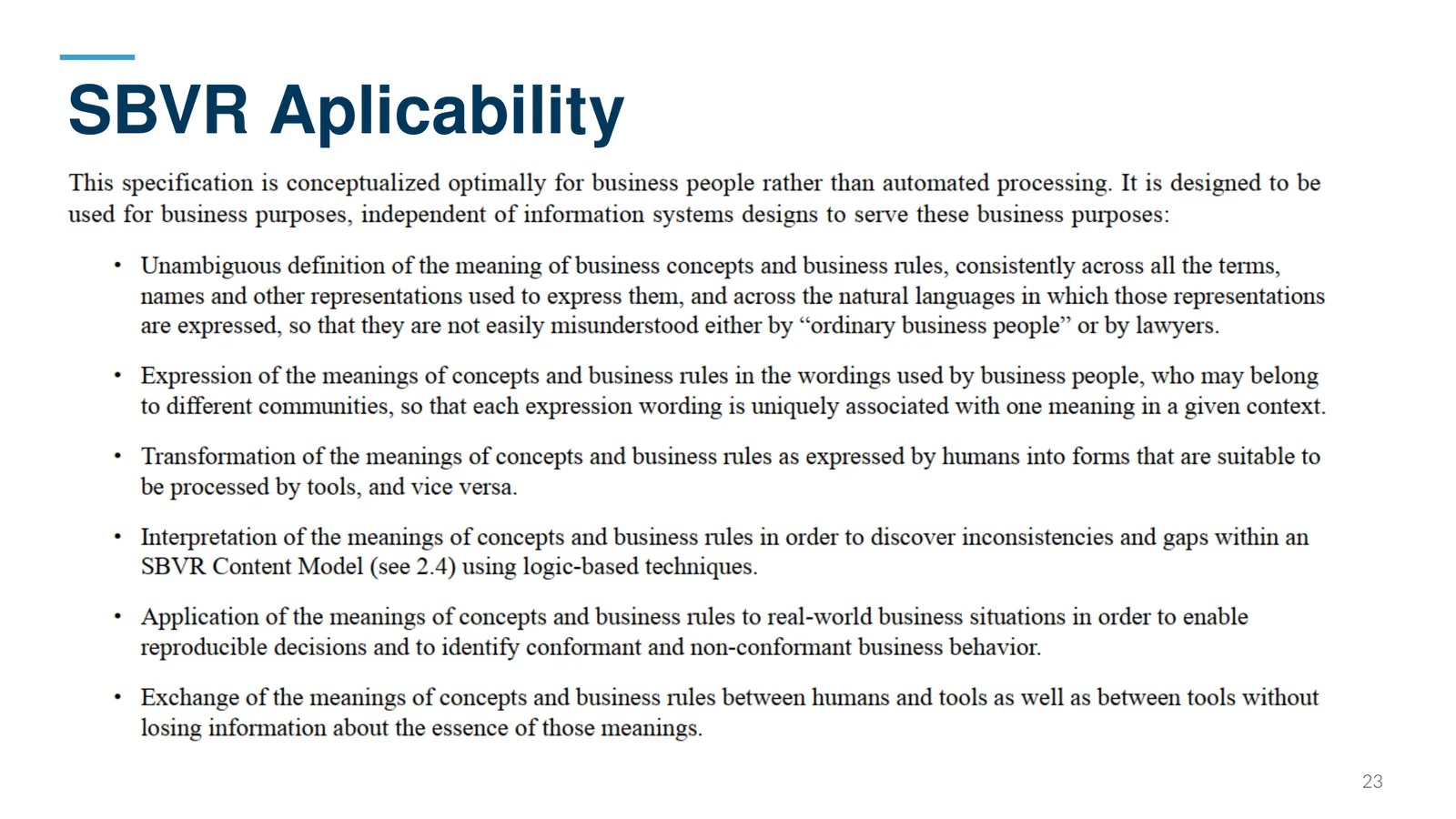
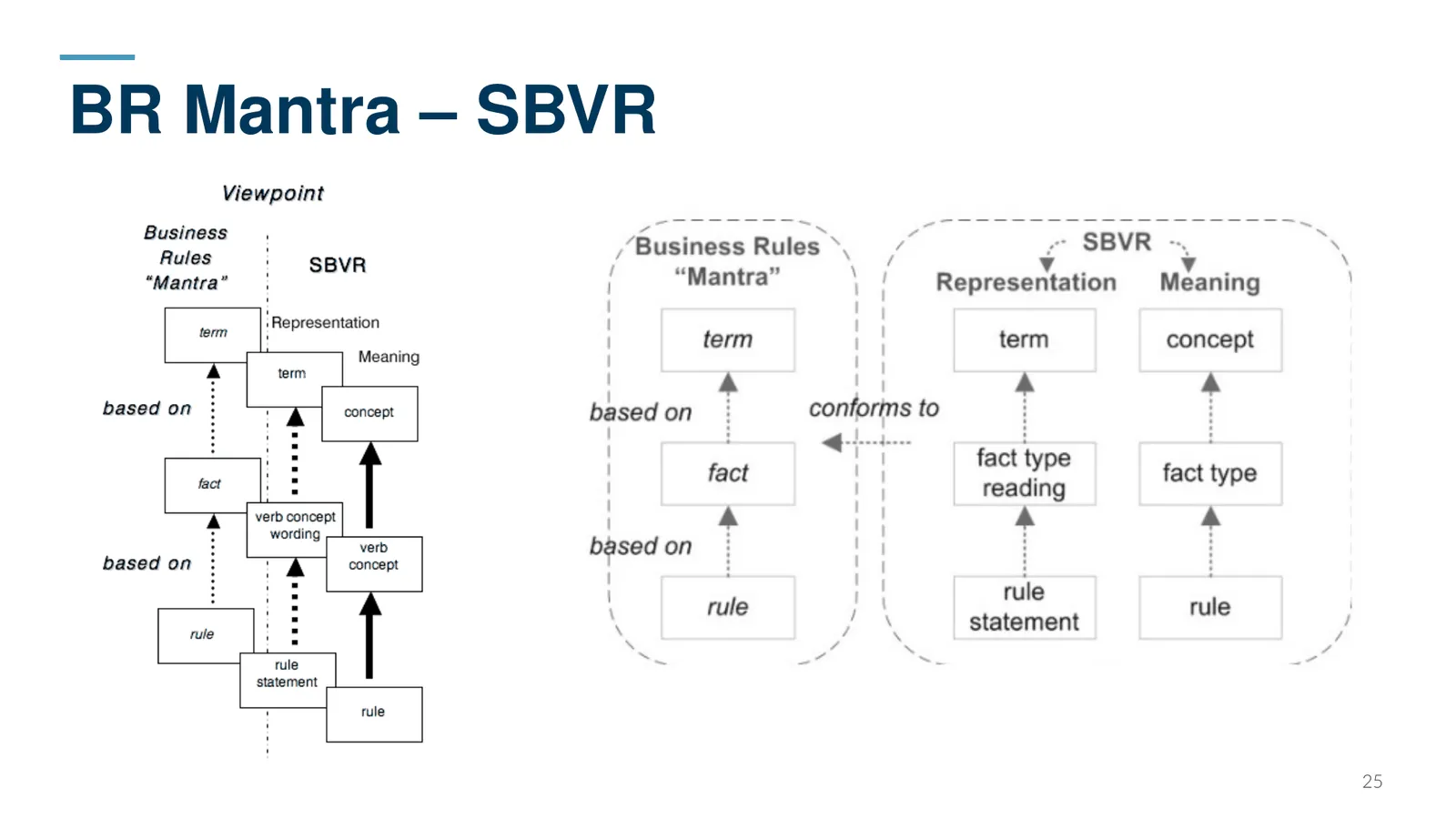
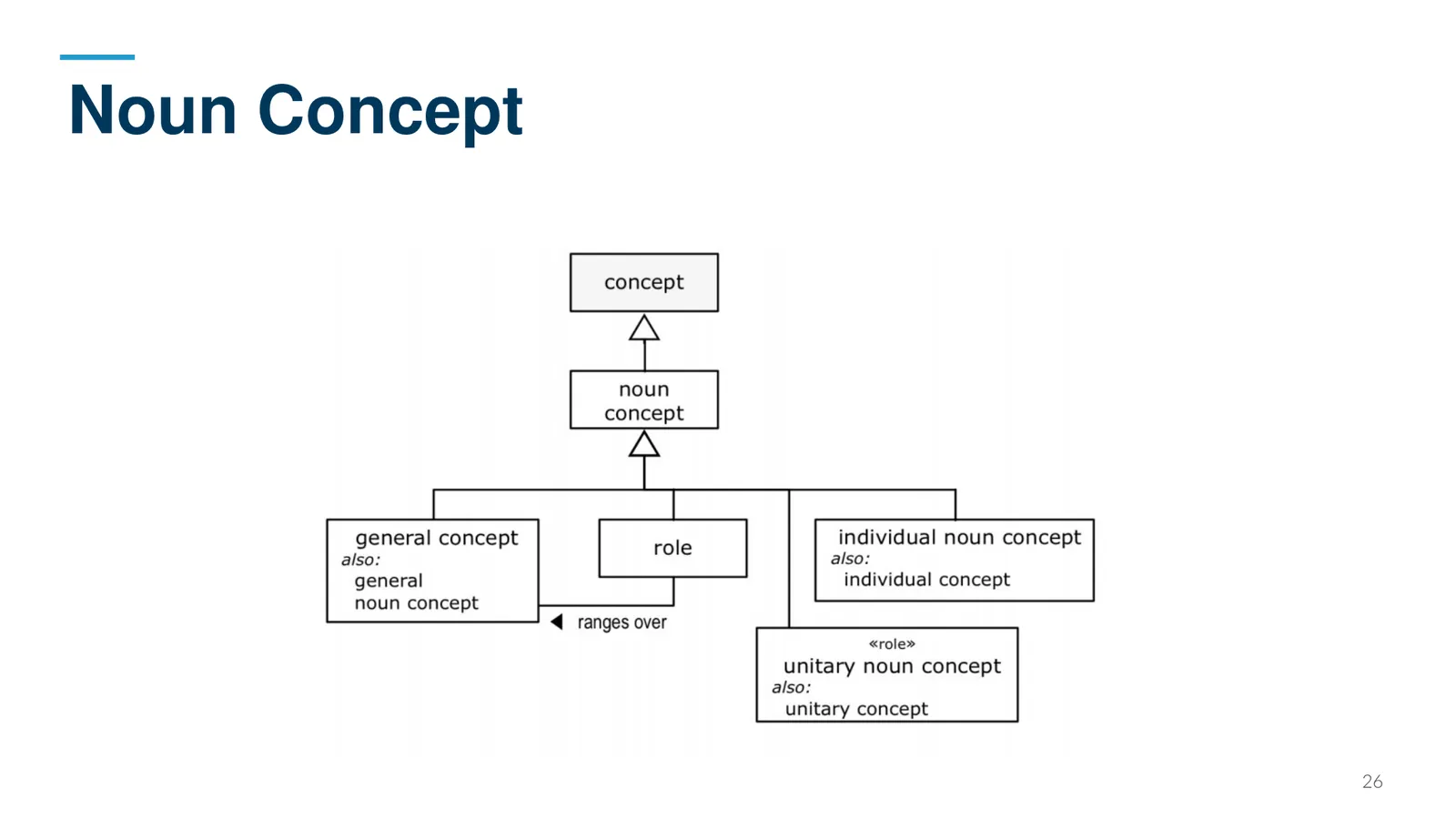
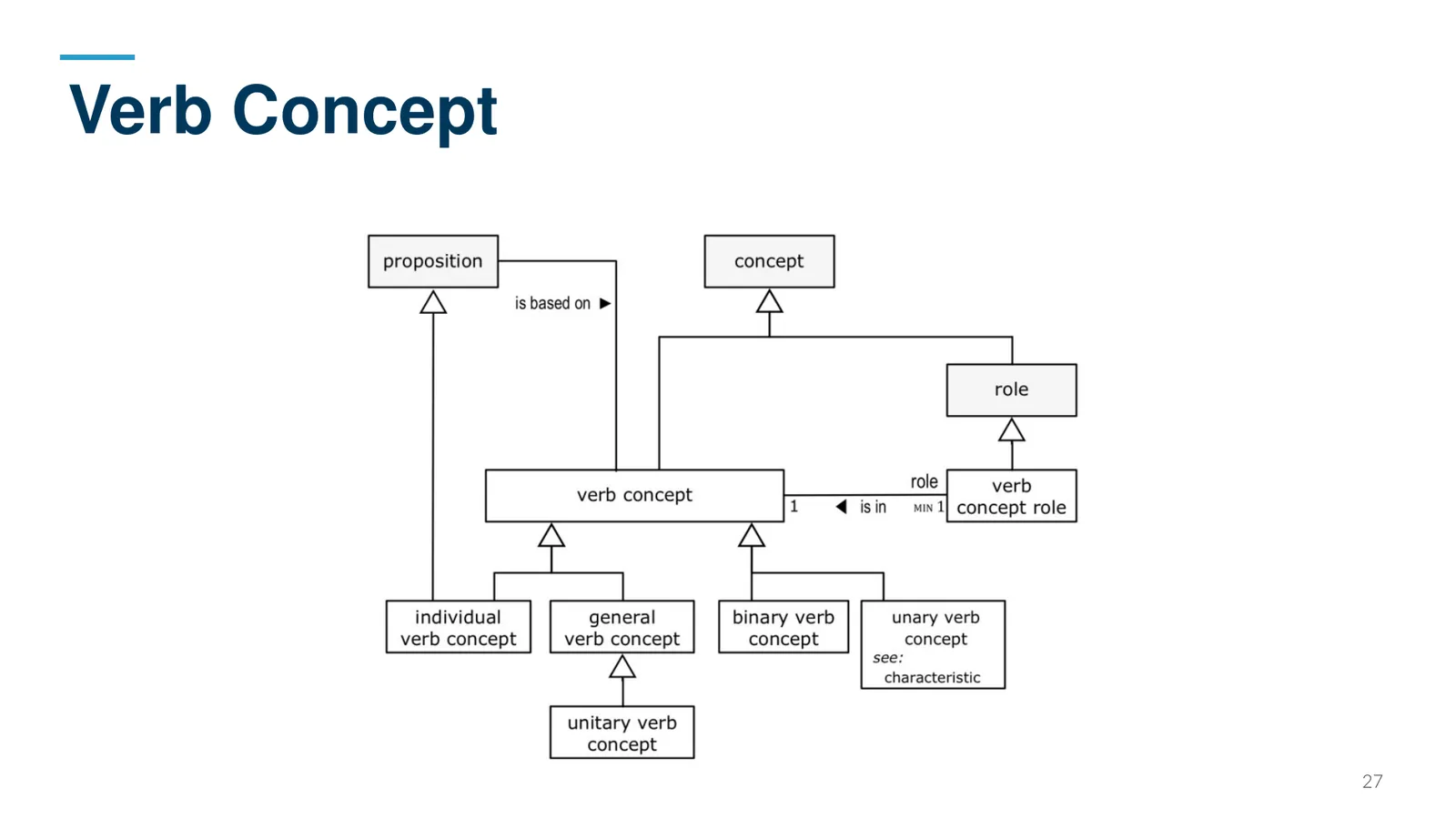
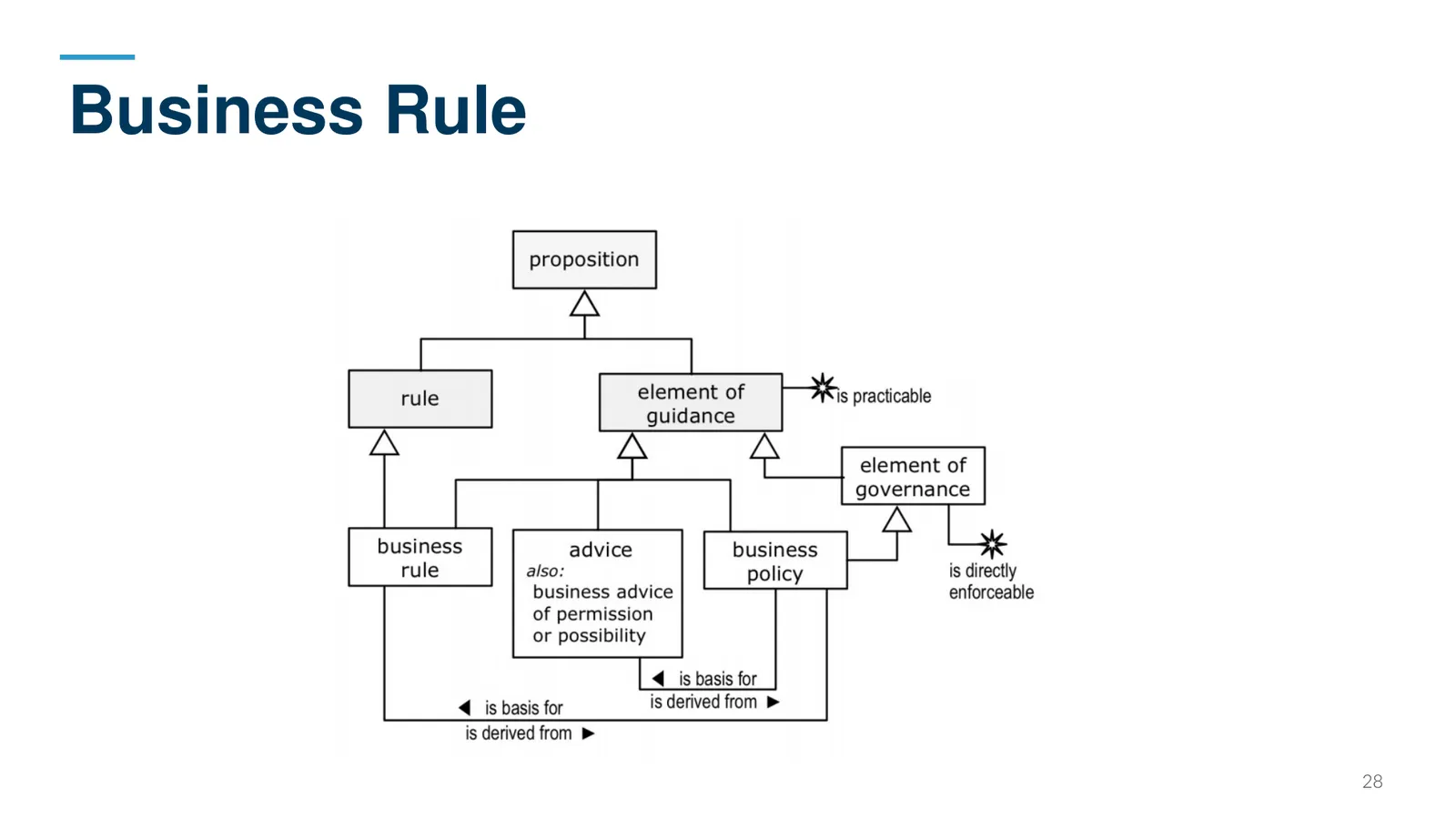
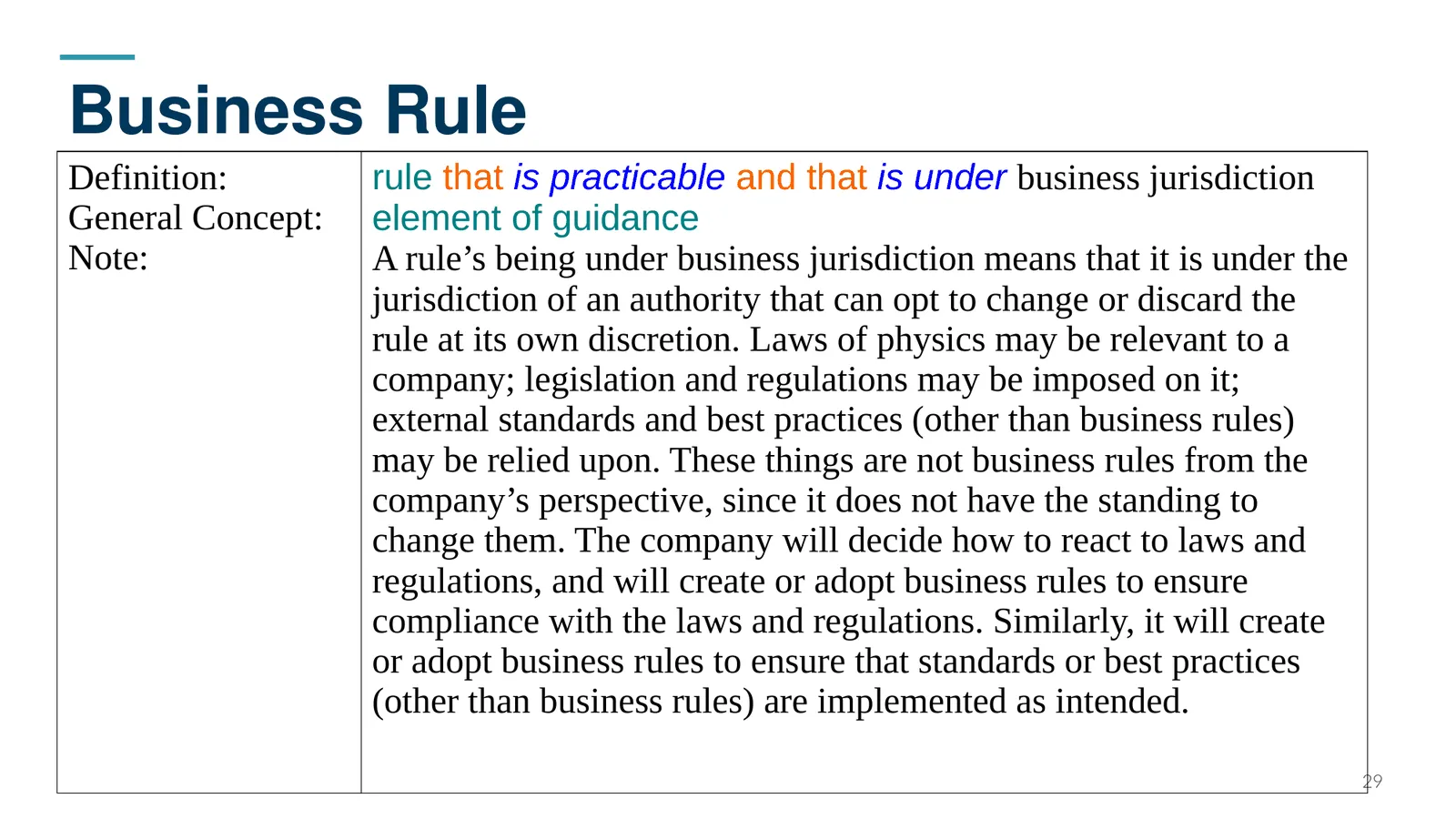
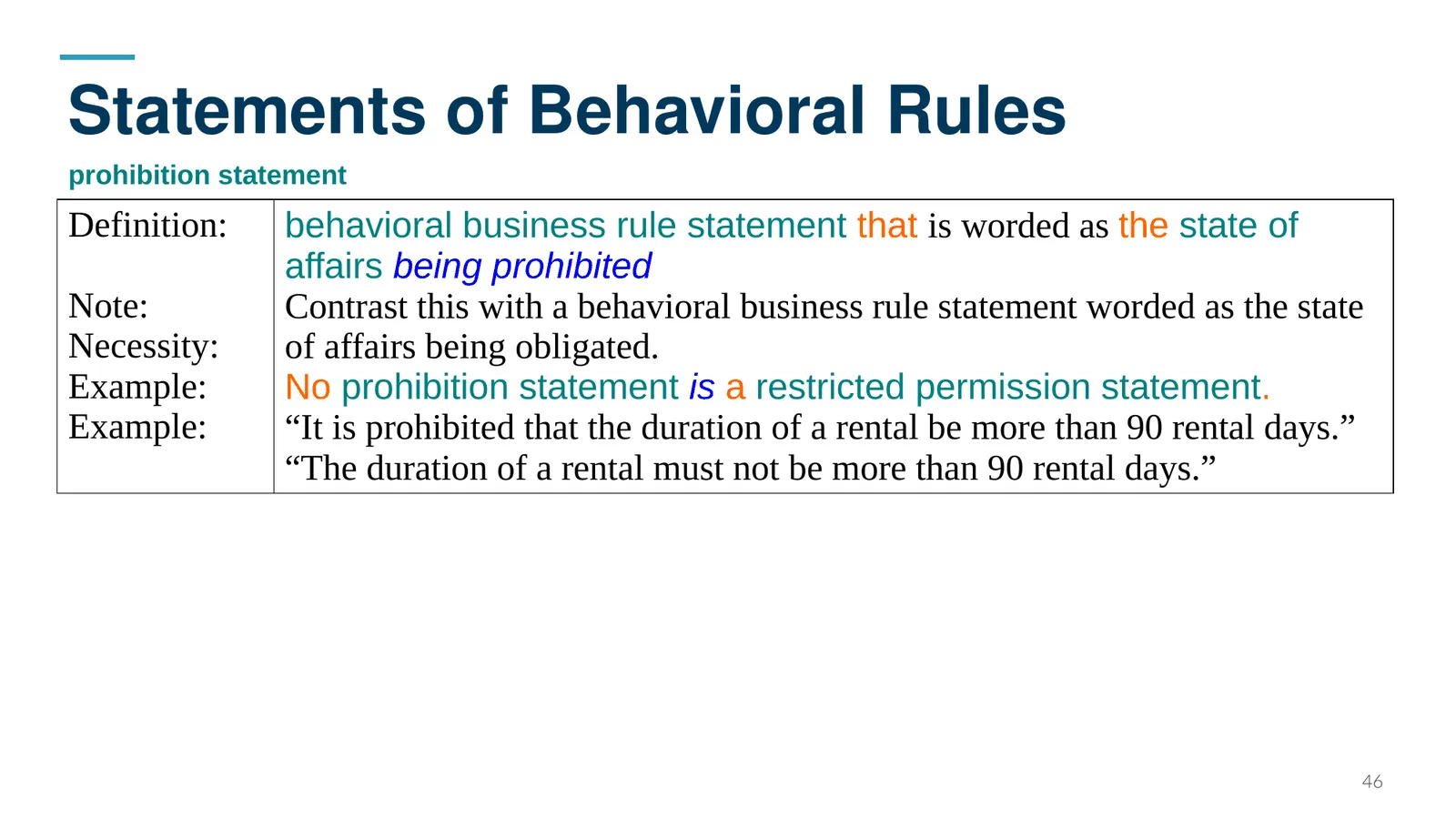
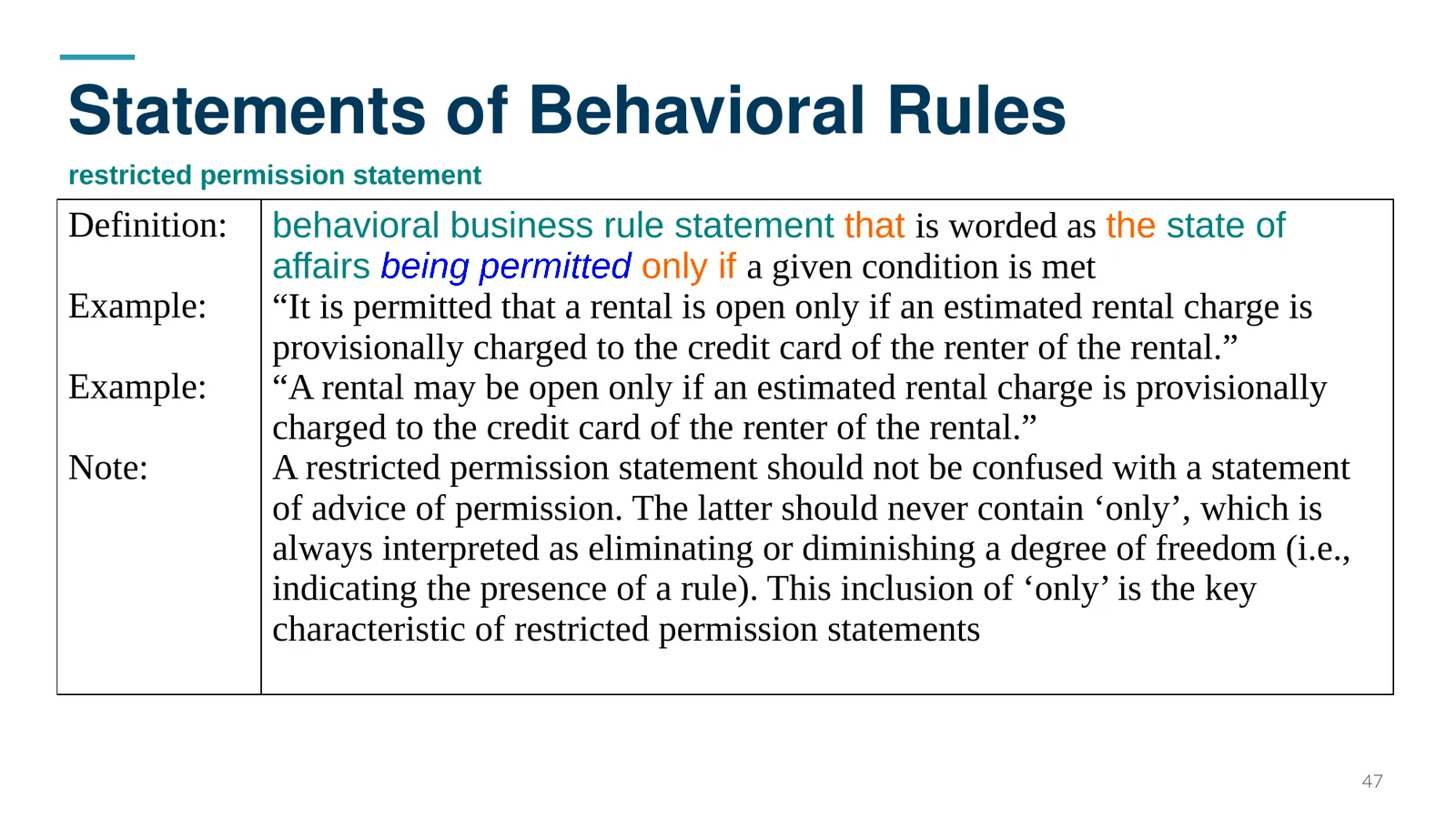
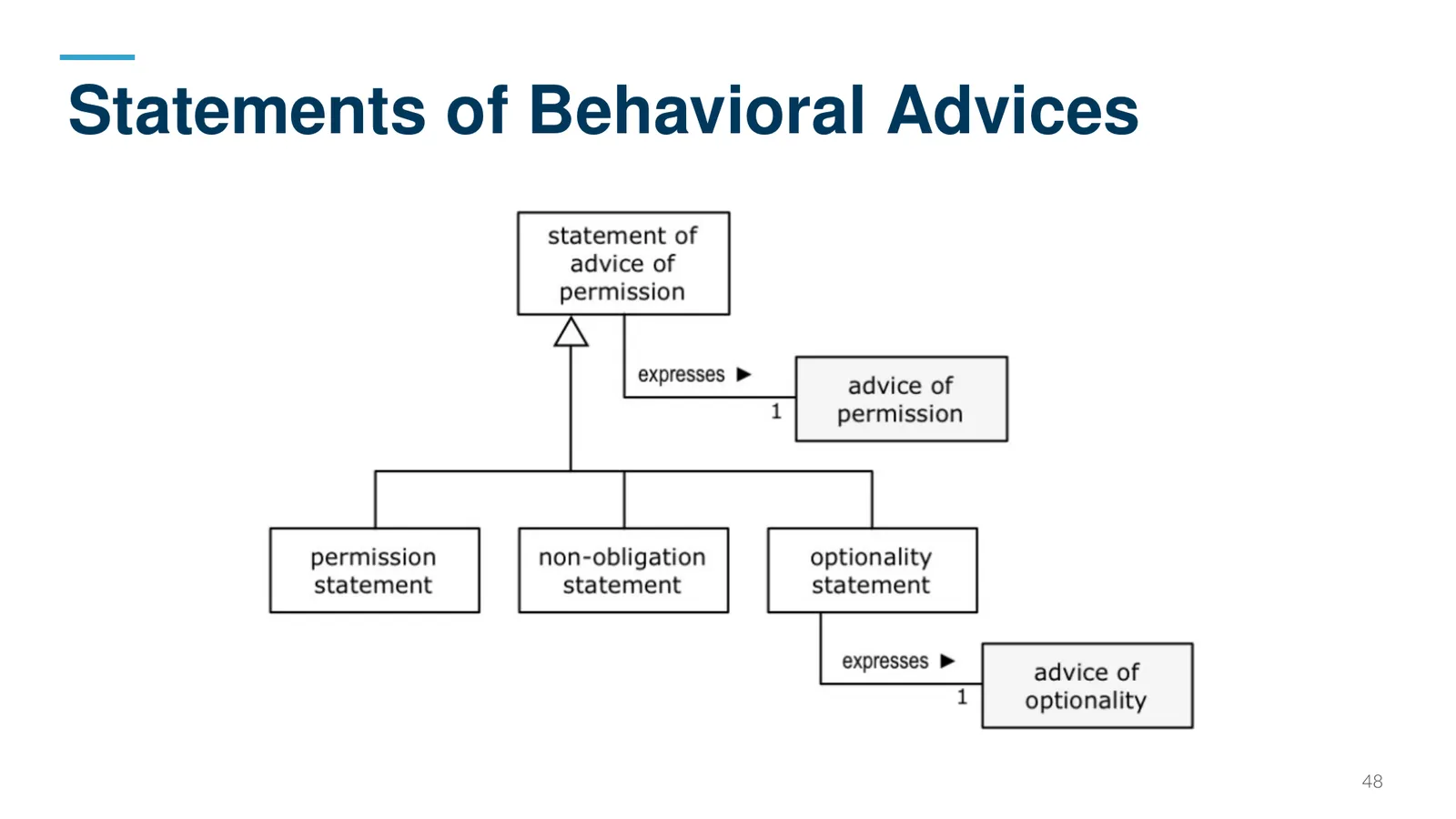
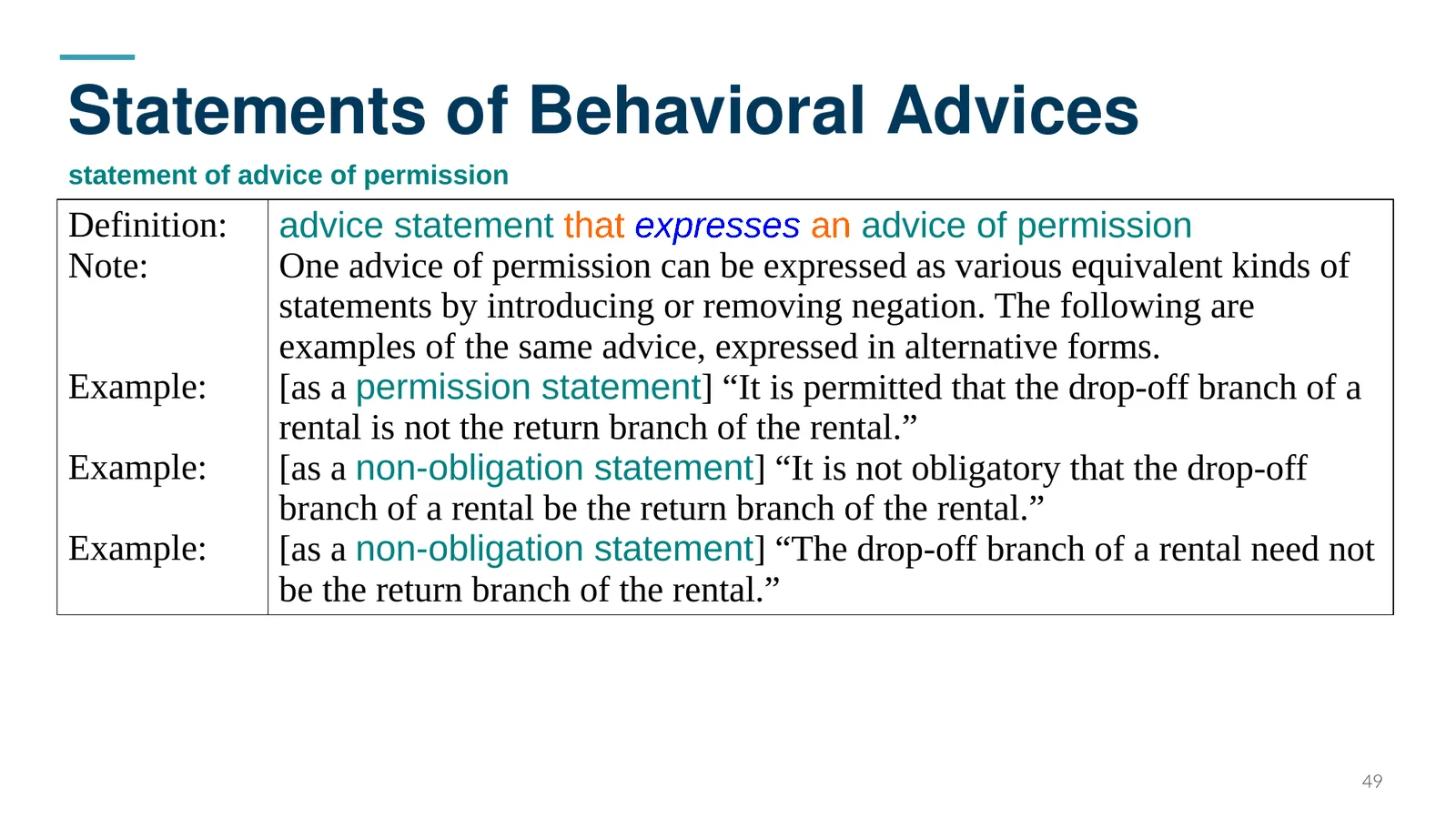
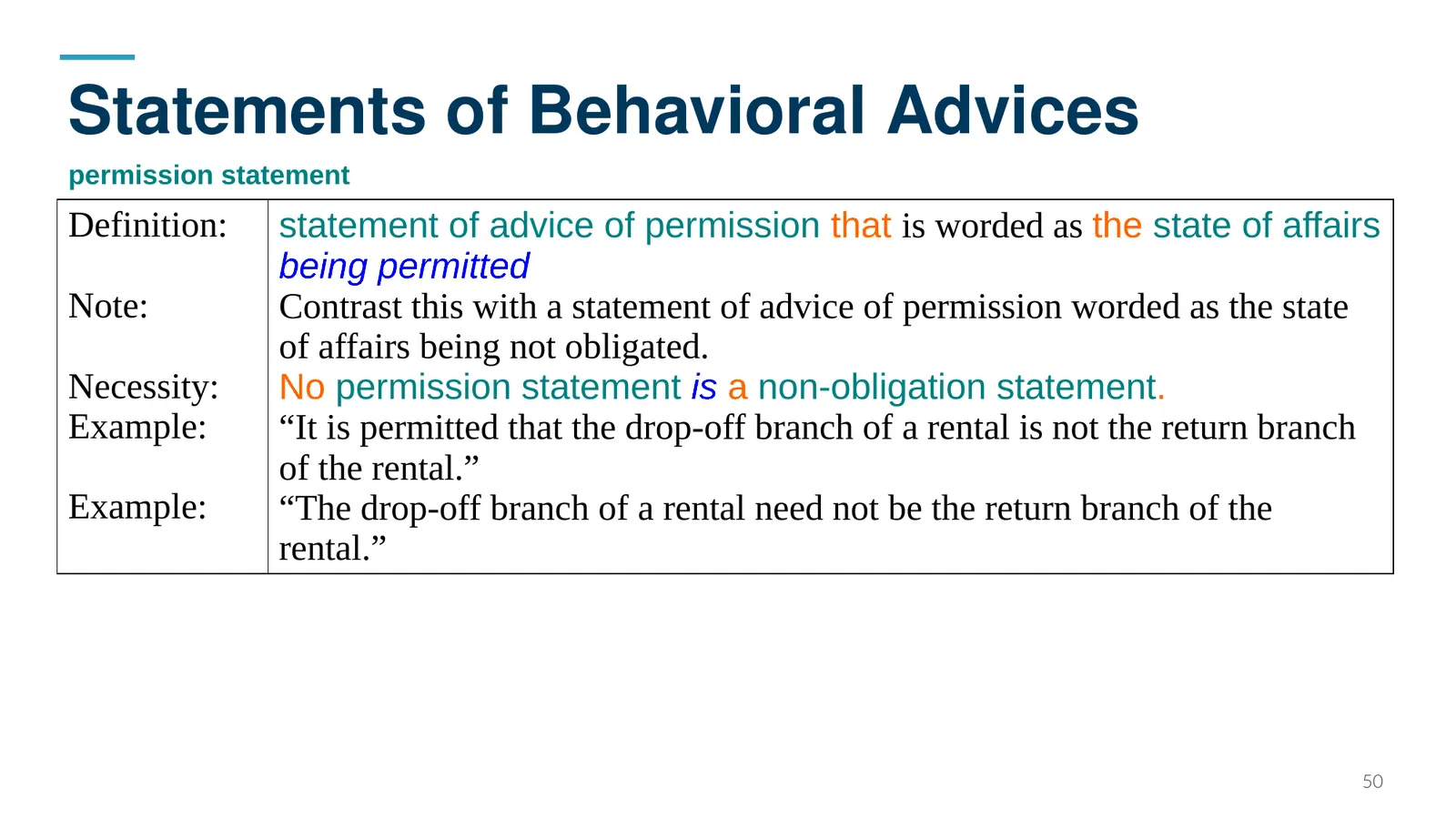
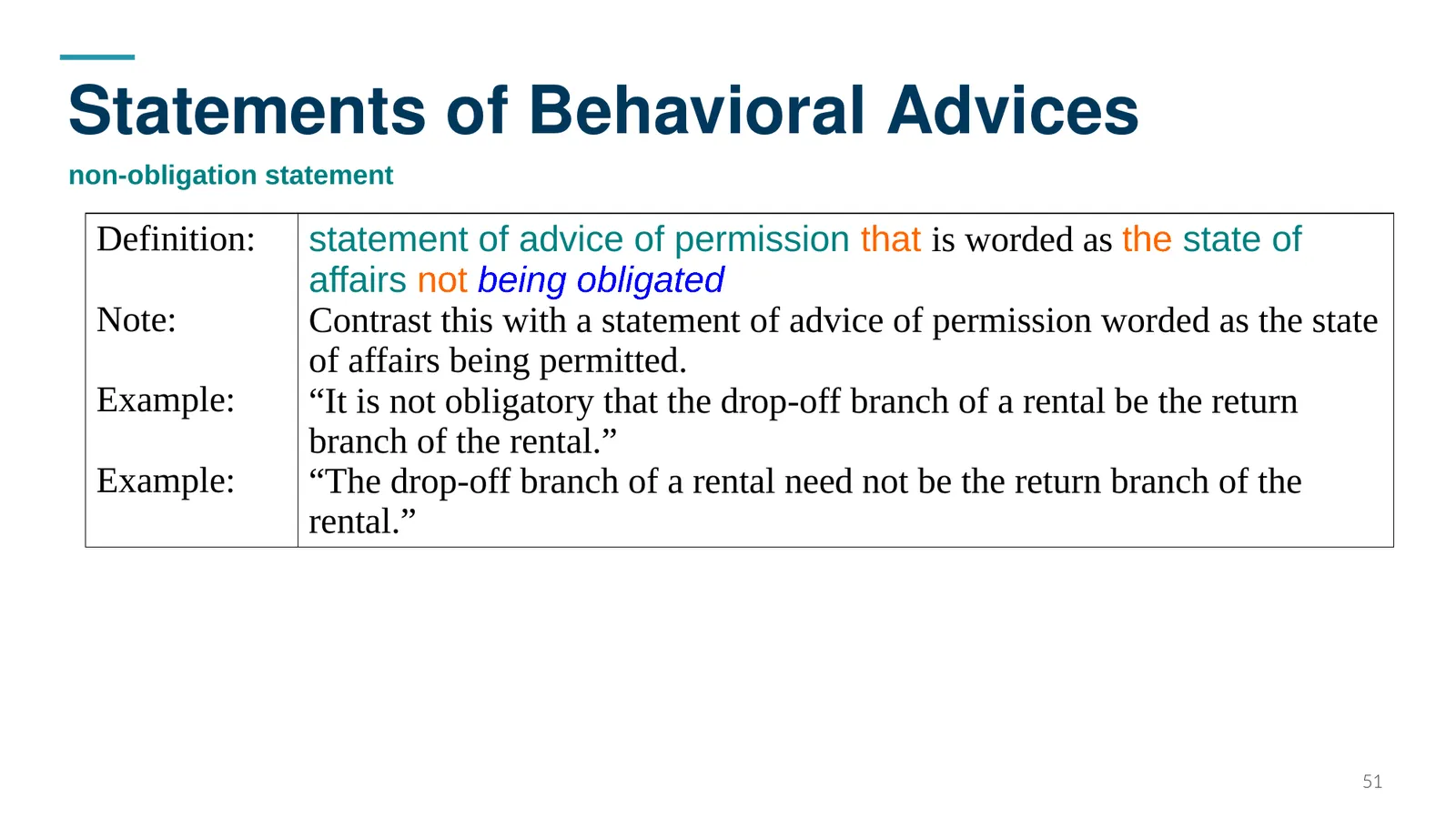
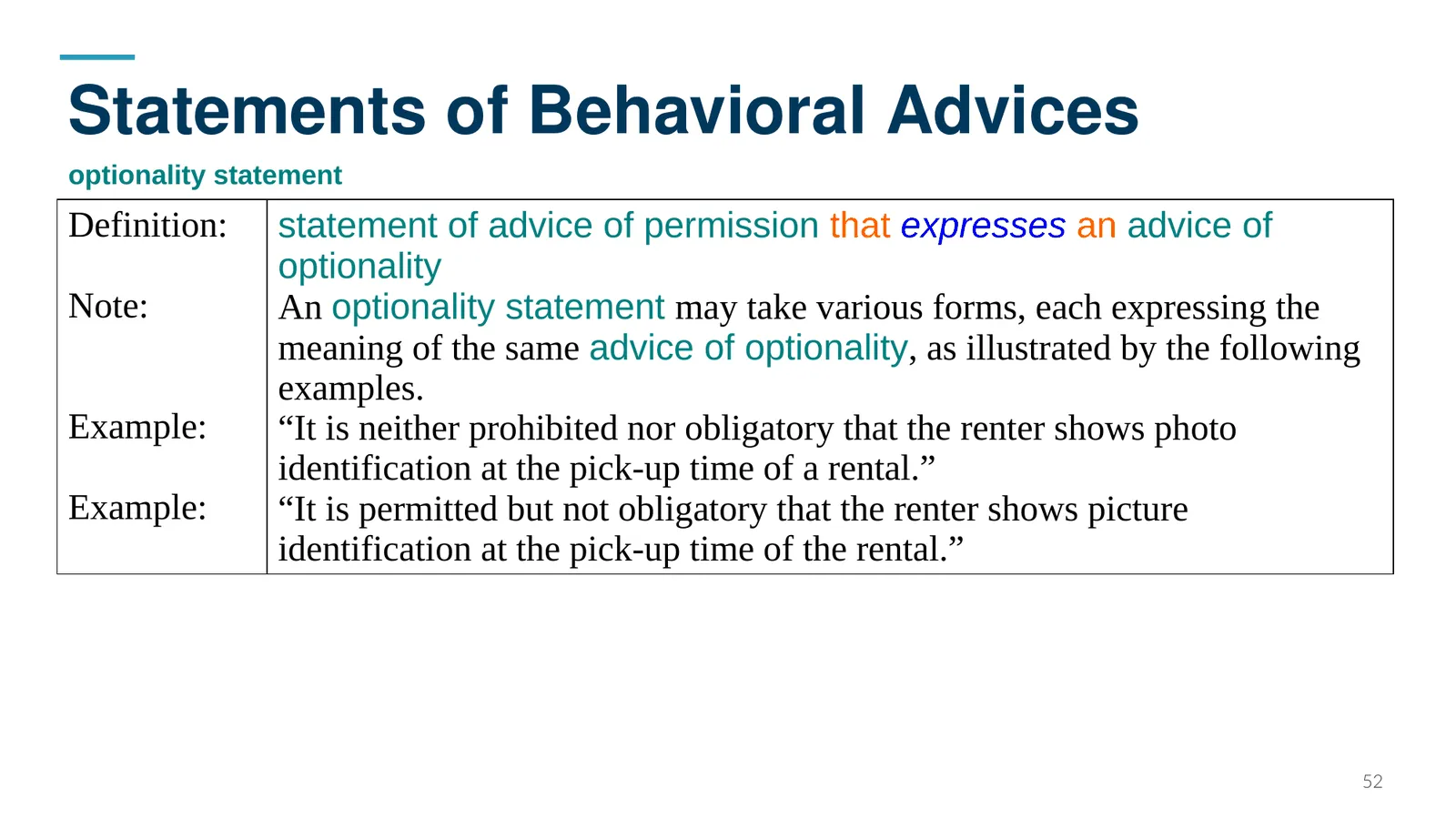
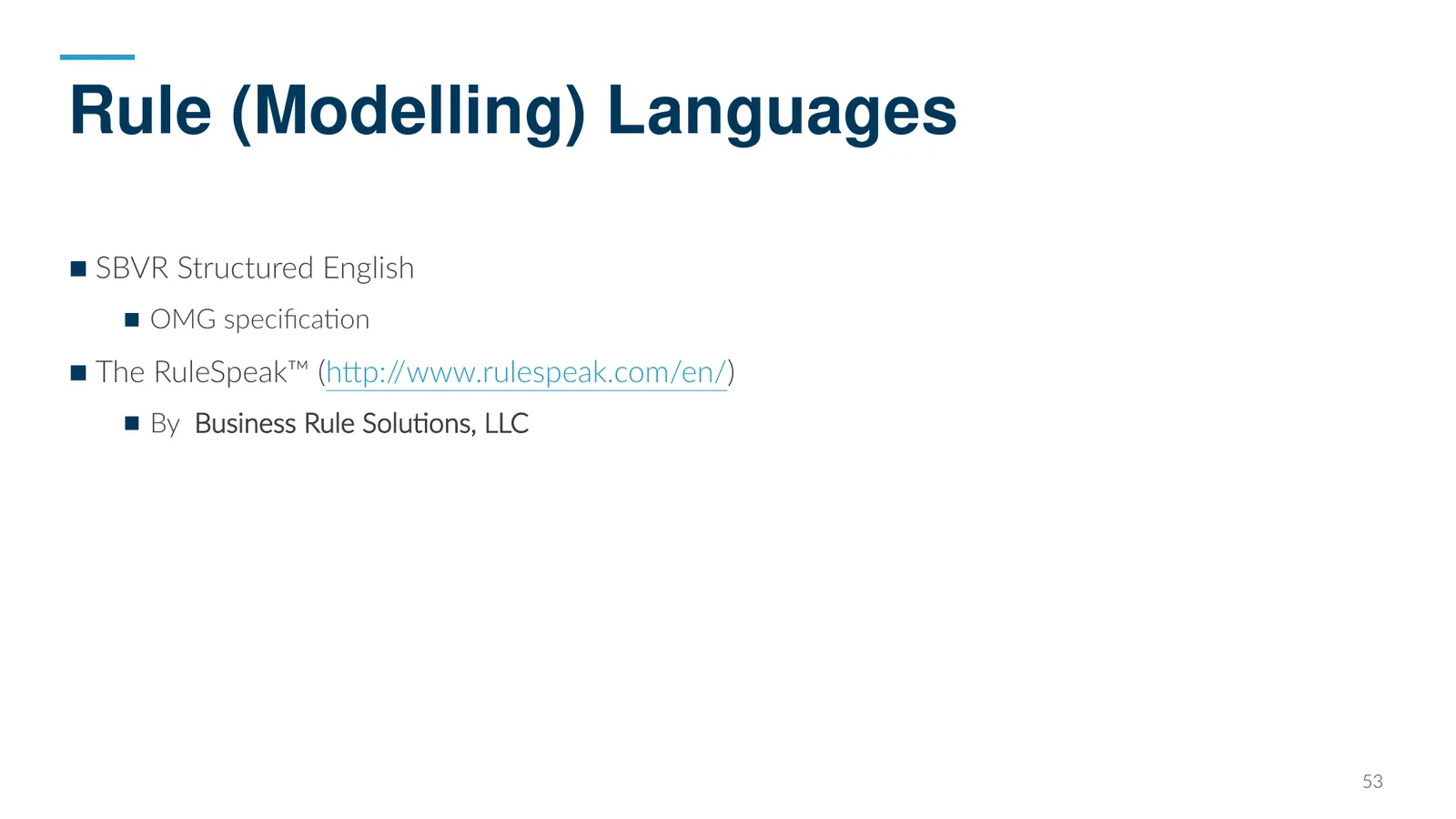
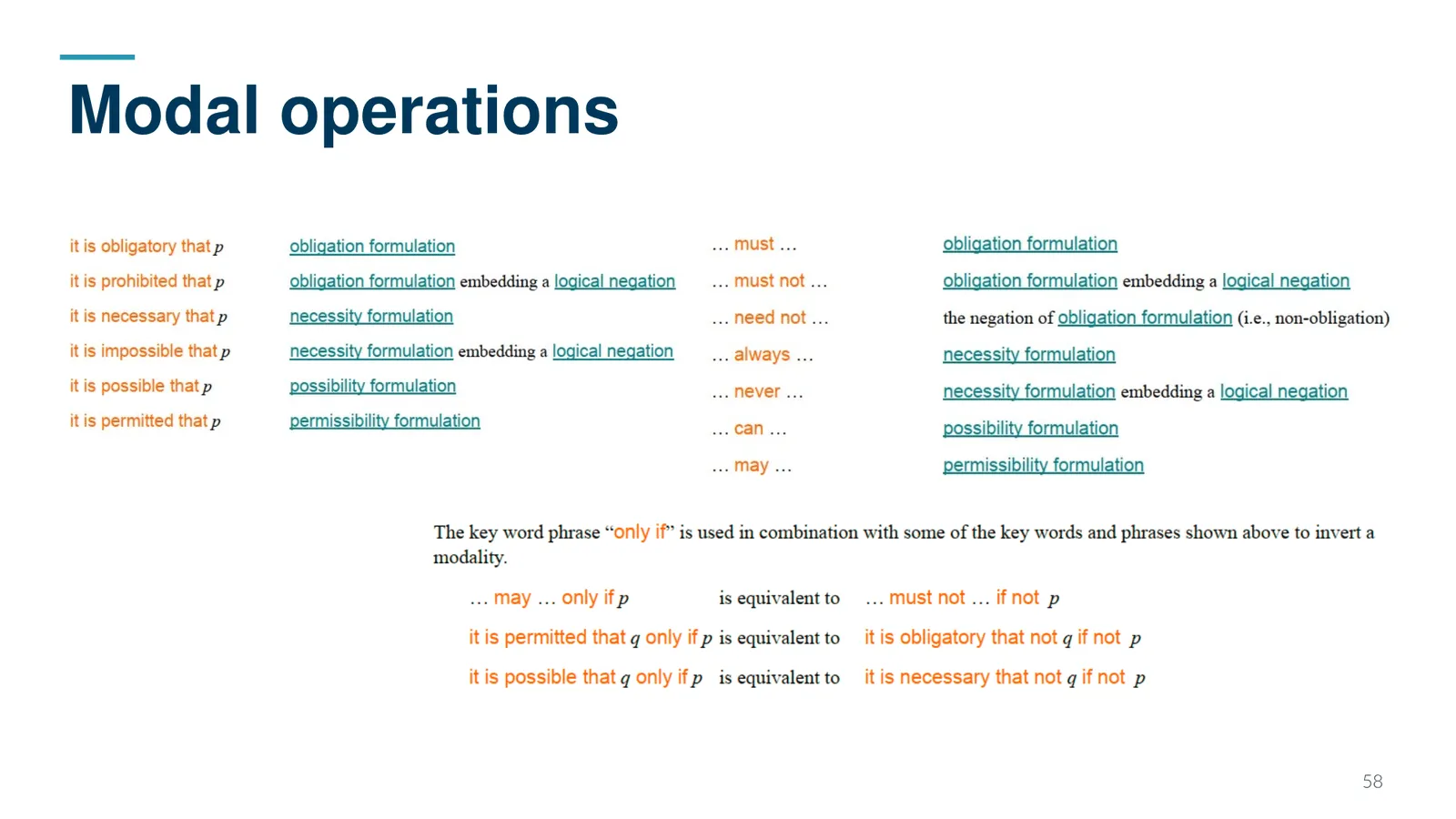
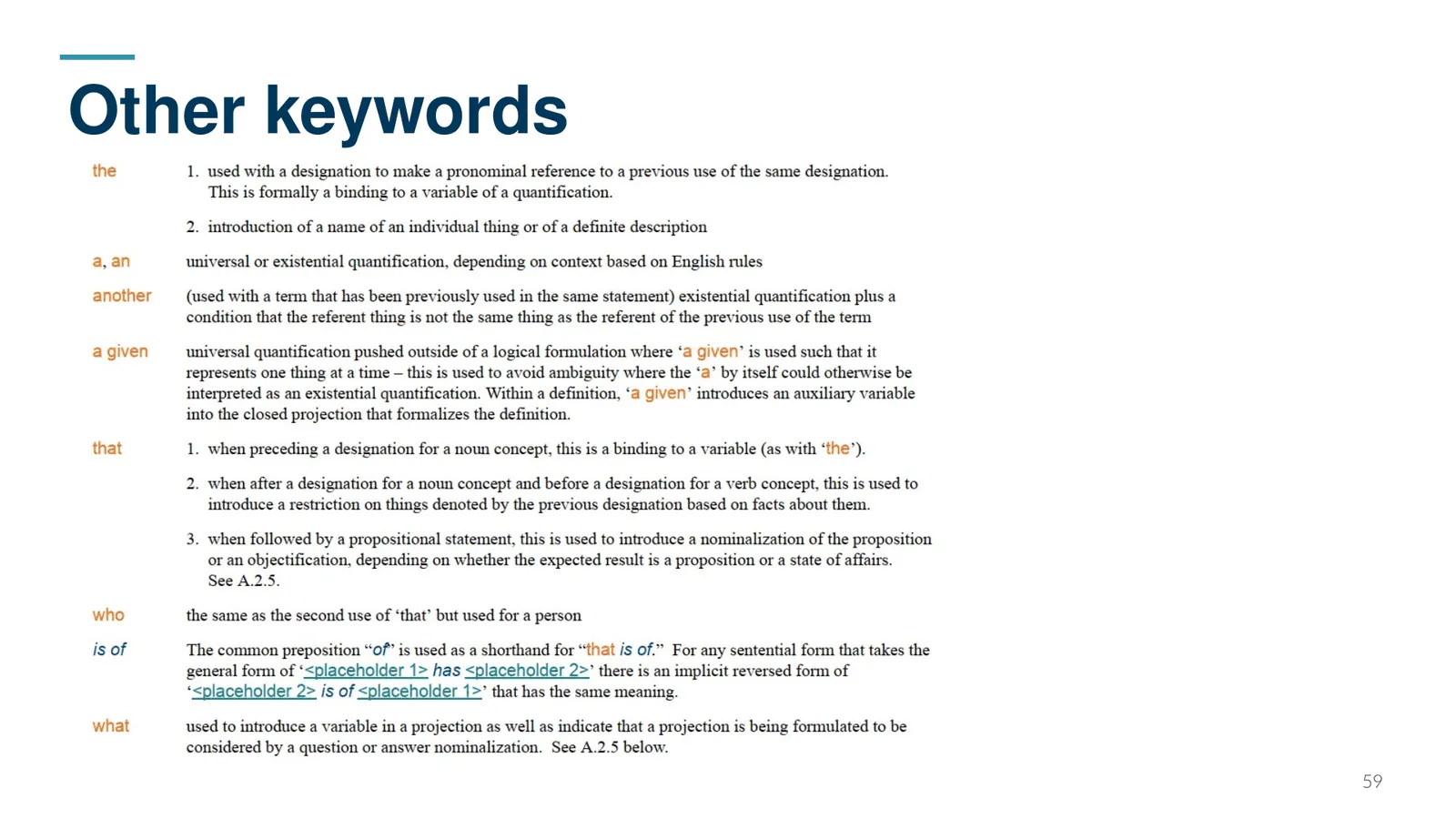
Specification documents are the initial artefacts when it comes to implementing business logic in IT systems. Specification documents are usually created in cooperation with domain experts and requirements engineers, whereas the technical background of these groups differs tremendously. Requirements engineers fulfil cross-cutting concerns and are negotiators between the business and technical worlds. Therefore, communication is the key between all stakeholders involved. Thus, the most appropriate means to communicate is common natural language. [98] However, natural language specifications cannot be processed by computers to a satisfactory extent per se. Early attempts to transform natural language to formal representations had to tackle the inherent problems in natural language
In logic, temporal logic is any system of rules and symbolism for representing, and reasoning about, propositions qualified in terms of time (for example, "I am always hungry", "I will eventually be hungry", or "I will be hungry until I eat something")
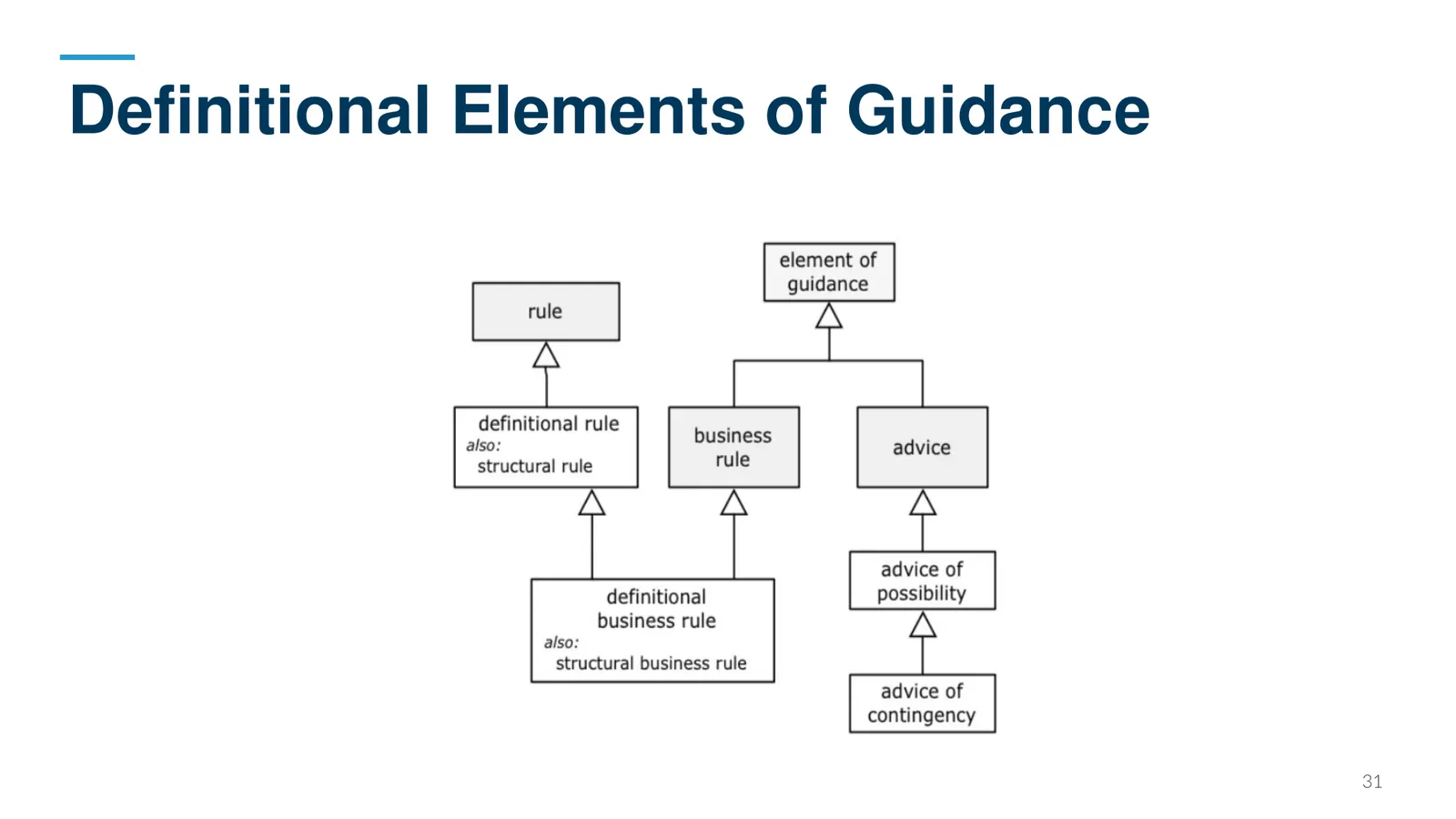
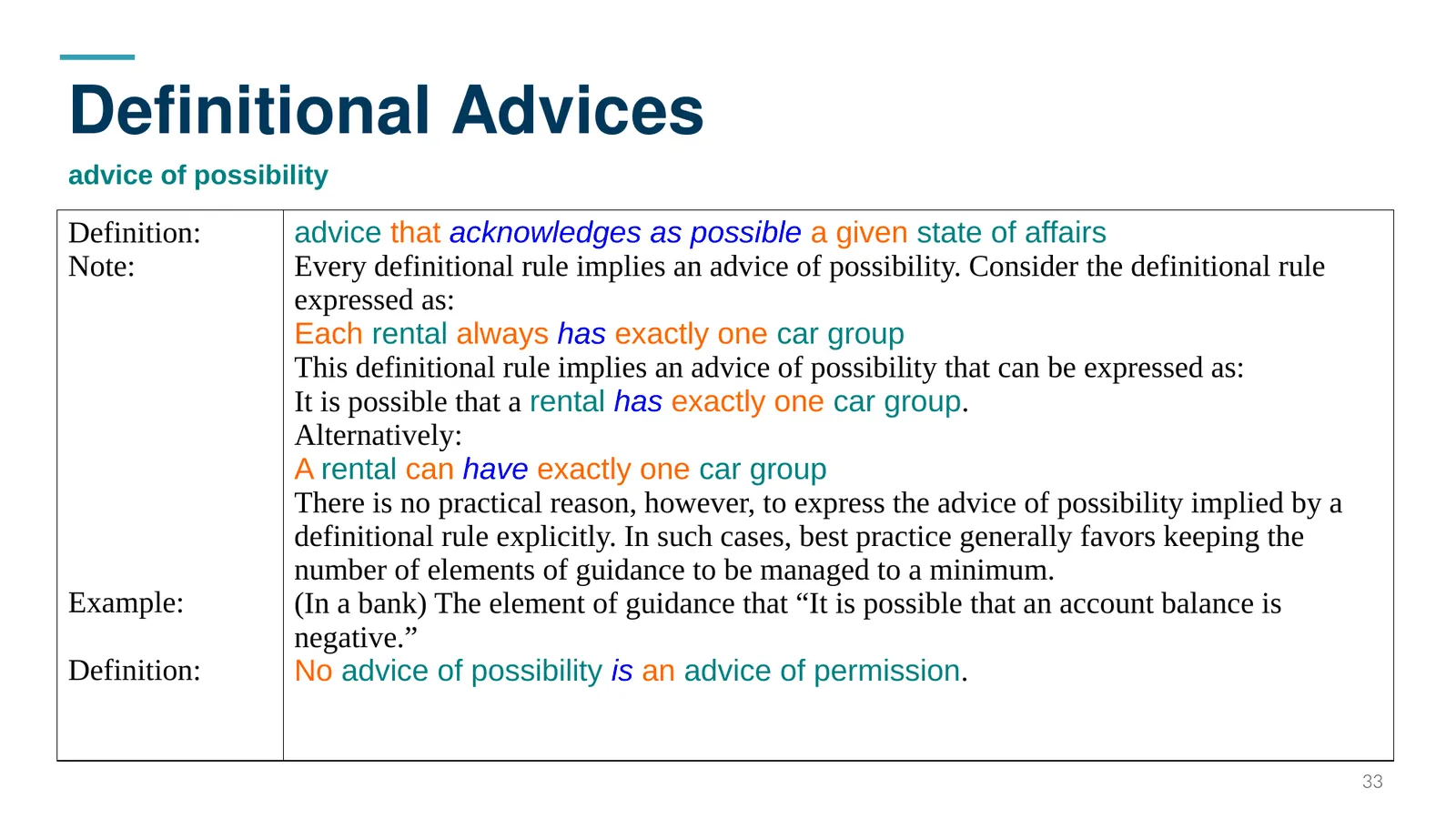
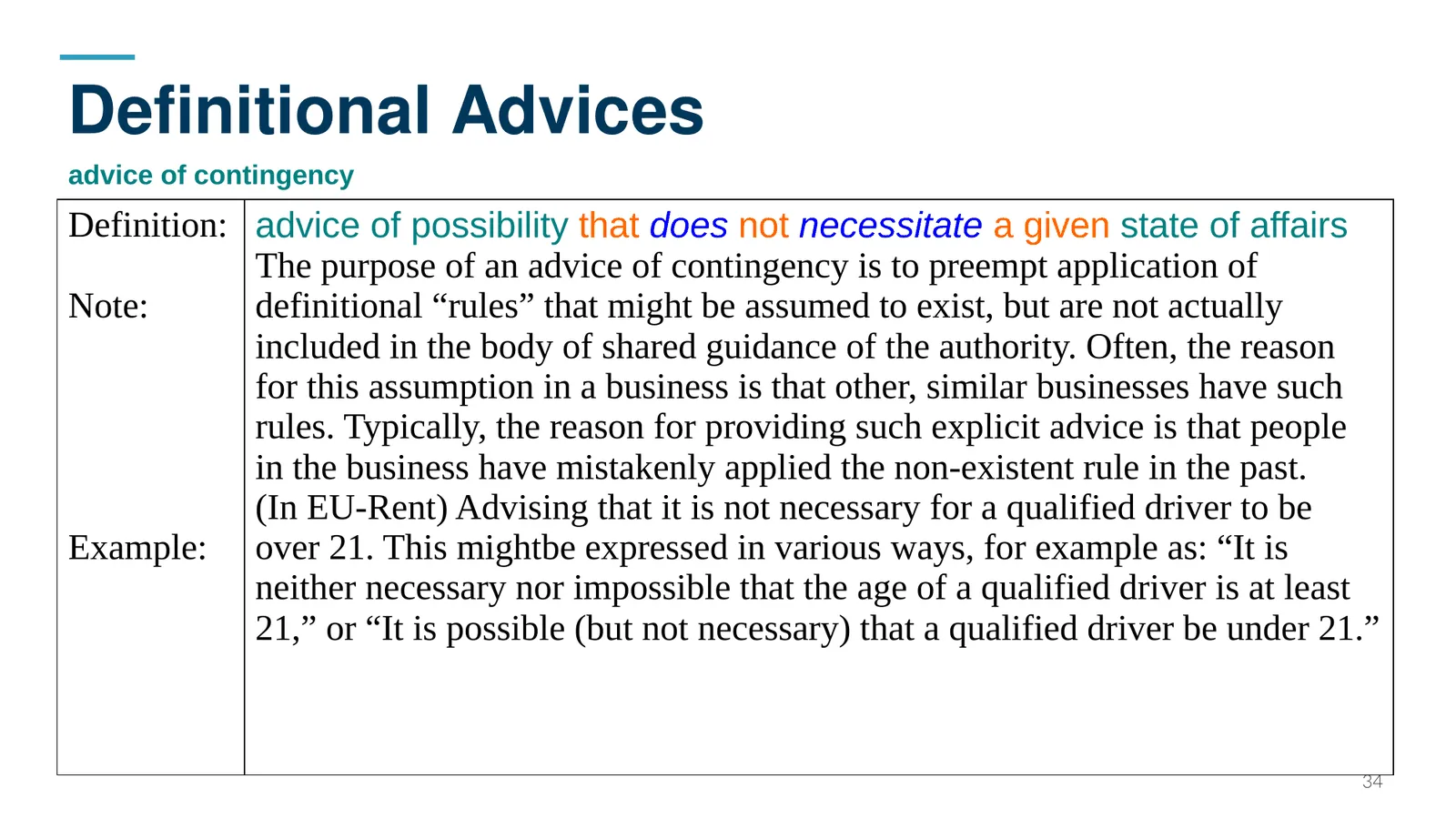
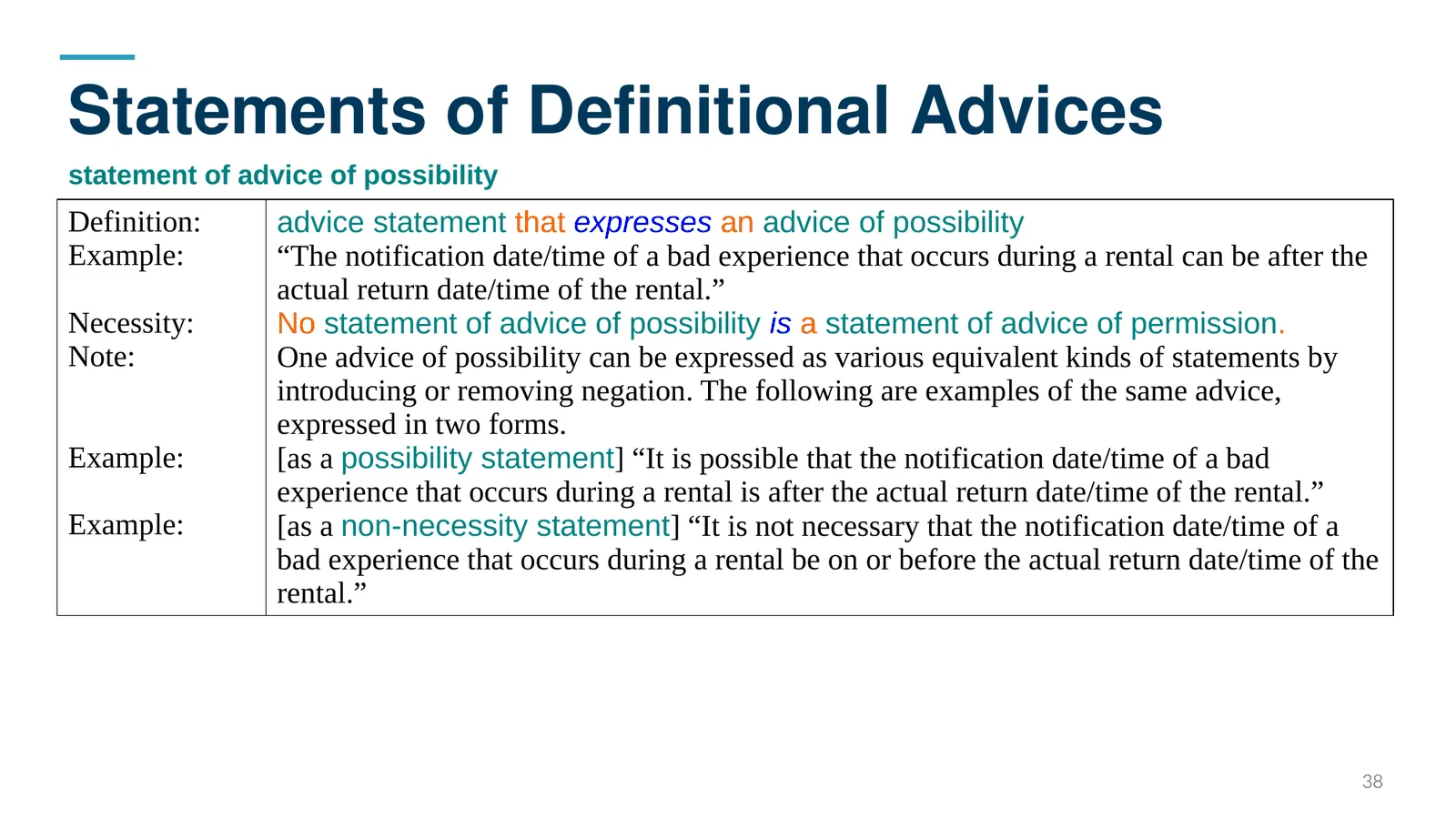
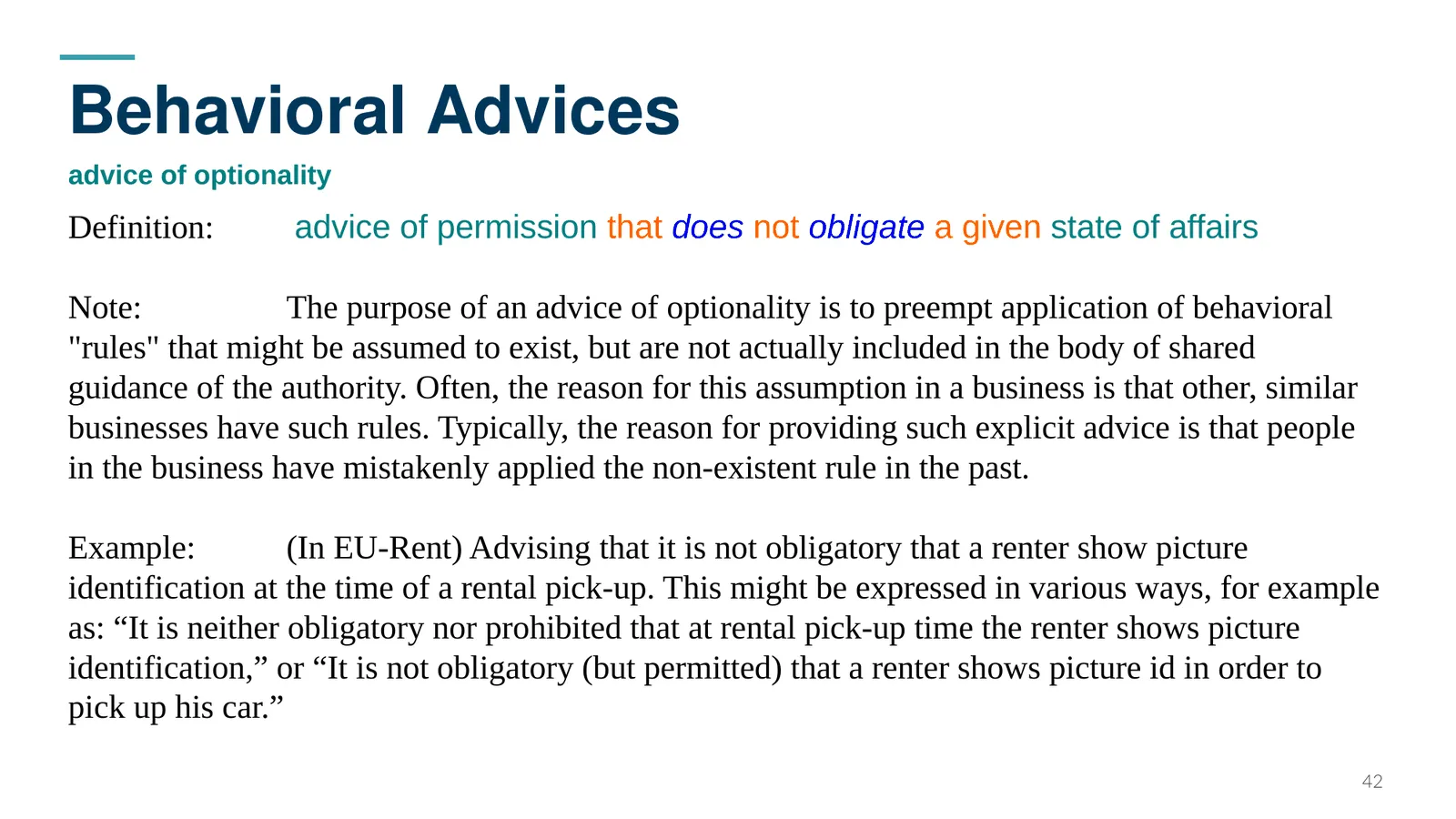
In alethic logic, a proposition that is possible but not necessary is termed ‘contingent’. If people in a business were to treat it as a definitional rule, they would miscategorize things in the real world. This typically leads to refusal of activity (that should be permitted) because unnecessary preconditions are not met, e.g., refusing to accept a rental booking because the person wishing to rent is under 21.